

Florida law draws a sharp distinction between a traffic accident that results in death and a criminal act of vehicular homicide or DUI manslaughter. That distinction turns on whether the driver’s conduct rose to the level of reckless driving or operation of a vehicle while under the influence, and proving those elements is the prosecution’s burden, not yours. A Stuart vehicular manslaughter lawyer at The Rubin Firm defends individuals in Martin County charged with vehicular homicide, DUI manslaughter, and related offenses, challenging the prosecution’s evidence at every stage and fighting to protect our clients from the severe consequences these charges carry.
If you are facing charges after a fatal accident, contact The Rubin Firm at (772) 283-2004, fill out our contact form, or start a live chat. Your future depends on the defense you mount right now.
Vehicular Homicide vs. DUI Manslaughter: Two Different Charges
Florida law creates two primary criminal charges for deaths caused by motor vehicle operation, and they are legally distinct offenses with different elements, different defenses, and different penalty structures.
Vehicular Homicide:
Under Florida Statutes Section 782.071, vehicular homicide is the killing of a human being caused by the operation of a motor vehicle in a reckless manner likely to cause the death of, or great bodily harm to, another. The key element is reckless driving. The prosecution must prove not just that the defendant caused the accident, but that their manner of driving was reckless, meaning it demonstrated a willful or wanton disregard for the safety of others. Vehicular homicide is a second-degree felony carrying up to 15 years in prison. If the driver knew or should have known that the accident occurred and failed to stop and render aid or give information, the charge is elevated to a first-degree felony carrying up to 30 years.
DUI Manslaughter
Under Florida Statutes Section 316.193(3)(c)(3), DUI manslaughter occurs when a person driving under the influence of alcohol or drugs causes or contributes to the death of another person. This charge combines the DUI statute with the homicide allegation. DUI manslaughter is a second-degree felony carrying up to 15 years in prison, with a mandatory minimum sentence of 4 years. If the driver fails to render aid or give information, the charge is elevated to a first-degree felony carrying up to 30 years, with a mandatory minimum of 4 years.
The distinction between these two charges matters because the elements the prosecution must prove are different. Vehicular homicide requires proof of reckless driving. DUI manslaughter requires proof that the driver was under the influence. In some cases, both charges are filed simultaneously if the evidence supports allegations of both reckless driving and impairment. Defense strategies differ accordingly: challenging the recklessness allegation involves different evidence than challenging the impairment allegation.
Why The Rubin Firm for Vehicular Homicide Defense
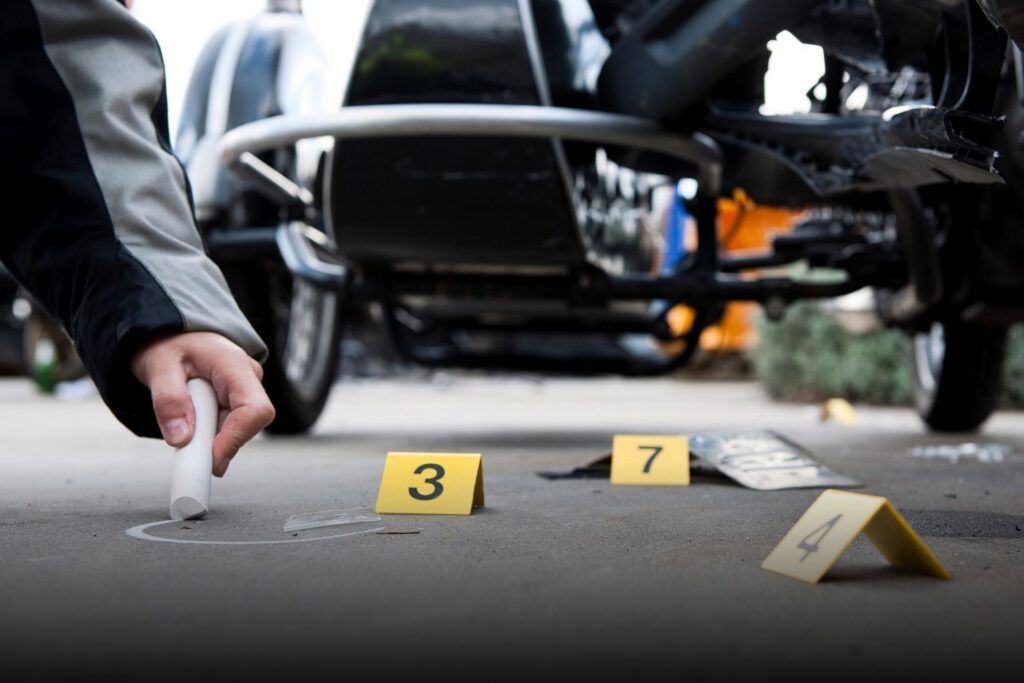
Vehicular homicide cases are among the most emotionally charged and legally complex criminal proceedings. Prosecutors face immense public pressure to secure convictions when a death is involved, and they approach these cases with significant resources and determination. Juries are naturally sympathetic to victims and their families, creating an uphill battle for the defense. And the scientific evidence, including accident reconstruction, toxicology, and vehicle dynamics, requires specialized knowledge to challenge effectively.
Accident reconstruction experts
We retain independent accident reconstructionists who examine the physical evidence, vehicle damage, road conditions, weather, visibility, and other factors to determine what actually caused the collision, which may differ from the prosecution’s theory.
Toxicology challenges
In DUI manslaughter cases, we scrutinize the blood or breath test results, the collection and handling of samples, the time between the accident and the test, and the reliability of the results. Rising blood alcohol levels, improper blood draws, and contaminated samples can all affect the accuracy of toxicology evidence.
Causation defense
Constitutional challenges
Negotiation and mitigation
injured? Let Us Help You Get Justice. Free consultation. No fees unless we win your case.
Penalties for Vehicular Manslaughter in Florida

Collateral consequences:
Permanent felony record, loss of voting rights until rights are restored, loss of firearm rights, employment barriers, and the personal burden of a homicide conviction.
The penalties for vehicular homicide and DUI manslaughter are severe and can include lengthy prison sentences, permanent loss of driving privileges, and a felony record that follows you for life.
Vehicular homicide (second-degree felony):
Up to 15 years in prison, $10,000 fine, permanent revocation of driver’s license for a minimum of 3 years.
Vehicular homicide with failure to render aid (first-degree felony):
Up to 30 years in prison, $10,000 fine, permanent license revocation.
DUI manslaughter (second-degree felony):
Up to 15 years in prison, $10,000 fine, mandatory minimum of 4 years in prison, permanent license revocation.
DUI manslaughter with failure to render aid (first-degree felony):
Up to 30 years in prison, mandatory minimum of 4 years, permanent license revocation.
Vessel homicide:
Florida also criminalizes reckless operation of a vessel (boat) that causes death, with penalties similar to vehicular homicide.
The Reckless Driving Element
The prosecution’s ability to prove reckless driving is the linchpin of a vehicular homicide charge. Not every fatal accident involves reckless driving. A momentary lapse of attention, a misjudgment of speed or distance, or an honest mistake in a complex traffic situation does not automatically constitute recklessness. Recklessness under Florida law requires proof that the driver acted with a willful or wanton disregard for the safety of others, a standard that goes beyond ordinary negligence or carelessness.
Factors that prosecutors use to argue recklessness include excessive speed, aggressive driving, running red lights or stop signs, racing, texting or using a phone while driving, driving on the wrong side of the road, and fleeing from law enforcement. The defense counters by examining road conditions, weather, visibility, the actions of other drivers, mechanical failures, road design defects, and the totality of circumstances to demonstrate that the defendant’s conduct, while perhaps imperfect, did not rise to the level of willful or wanton disregard.
The Causation Challenge
Proving that the defendant caused the death is a separate and distinct element from proving that the defendant was reckless or impaired. In many fatal accidents, multiple factors contribute to the outcome: the other driver’s speed, the other driver’s failure to yield, a road defect, poor signage, a mechanical failure in either vehicle, weather conditions, or the victim’s own actions. If the prosecution cannot prove that the defendant’s recklessness or impairment was the direct cause of the death, the homicide charge fails even if recklessness or impairment is established.
Accident reconstruction is critical to the causation analysis. Independent experts examine the physical evidence, including vehicle damage patterns, skid marks, debris fields, final rest positions, and electronic data from vehicle event data recorders (the vehicle’s black box), to determine the sequence of events and identify the actual cause of the collision. The Rubin Firm retains these experts in every vehicular homicide case because the causation element is often the most vulnerable point in the prosecution’s case.
Leaving the Scene After a Fatal Accident
Florida law imposes severe additional penalties on drivers who leave the scene of an accident involving death. Under Florida Statutes Section 316.027, leaving the scene of a crash involving death is a first-degree felony carrying up to 30 years in prison. When this enhancement is combined with vehicular homicide or DUI manslaughter, the potential sentence increases dramatically. Florida’s hit-and-run statute requires the driver to immediately stop, render reasonable assistance, and provide identification and contact information. Failure to comply with any of these requirements triggers the enhanced penalty.
In many cases, the decision to leave the scene is driven by panic, fear, or impairment rather than malicious intent. Understanding the circumstances that led to the departure is essential to the defense, and presenting those circumstances to the court can affect sentencing even when the leaving-the-scene charge is difficult to defeat on the merits.
Steps to Take After a Fatal Accident
Stop and render aid:
Florida law requires you to stop immediately, provide assistance, and share your identification and contact information. Leaving the scene dramatically worsens your legal situation.
Call 911:
Report the accident to law enforcement and request emergency medical services.
Do not make statements about fault:
Provide your identification and insurance information as required by law, but do not discuss who was at fault, whether you were drinking, or the details of the accident with anyone at the scene.
Do not consent to blood draws without understanding your rights:
Law enforcement may seek a blood sample. Understand that you have rights regarding blood testing, and an attorney can advise you on how to protect those rights.
Contact The Rubin Firm immediately:
Vehicular homicide investigations move quickly. The sooner we can begin examining the evidence, the more effectively we can protect your rights. Call (772) 283-2004.
Toxicology Evidence and Blood Test Challenges in DUI Manslaughter
In DUI manslaughter cases, the toxicology evidence is often the centerpiece of the prosecution’s case. A blood alcohol concentration above the legal limit provides straightforward proof of impairment. But toxicology evidence is not infallible, and the process of collecting, handling, and analyzing blood samples creates multiple opportunities for error that a skilled defense attorney can exploit.
The time between the accident and the blood draw is a critical factor. Blood alcohol concentration does not remain constant over time. If the blood draw occurs hours after the accident, the BAC at the time of the draw may not accurately reflect the BAC at the time of the crash. Depending on whether the driver’s BAC was still rising or had already begun to decline at the time of the accident, the tested BAC could overstate or understate the actual level of impairment at the time of the collision. Expert toxicologists can perform retrograde extrapolation calculations to estimate the BAC at the time of the accident, but these calculations involve assumptions about absorption and elimination rates that vary from person to person and can be vigorously challenged.
The blood collection process itself presents additional defense opportunities. Was the blood drawn by a qualified person? Was an alcohol-based swab used to clean the puncture site, potentially contaminating the sample? Was the blood collection kit properly preserved with the correct anticoagulant and preservative? Was the sample stored at the proper temperature? Was the chain of custody maintained from collection through laboratory analysis? Each of these questions can reveal procedural errors that undermine the reliability of the test result. In drug-related DUI manslaughter cases, where the prosecution alleges impairment from marijuana, prescription medications, or other substances, the toxicology challenges are even more significant because the mere presence of a drug or its metabolites in the bloodstream does not establish impairment at the time of driving.
The Emotional Weight of Vehicular Homicide Cases
Vehicular homicide cases carry a unique emotional burden that distinguishes them from most other criminal proceedings. The defendant is often grieving the loss of the person who died, particularly in cases involving friends, passengers, or family members. The defendant may be suffering from their own physical injuries sustained in the crash. And the defendant is simultaneously processing the trauma of the accident and the terror of facing criminal prosecution that could result in years or decades of imprisonment.
At The Rubin Firm, we approach vehicular homicide cases with sensitivity to the emotional reality our clients are experiencing. We understand that you may be dealing with survivor’s guilt, PTSD, depression, and anxiety on top of the legal proceedings. Our attorneys provide compassionate support while maintaining the aggressive, evidence-based defense that your case demands. We communicate clearly about what to expect at each stage of the process, we prepare our clients thoroughly for court appearances and hearings, and we ensure that the human being behind the charges is never lost in the legal machinery.
We’re Here To Heil You Recover Compensation For:
- Injury or damages
- Injury & Medical
- Injury or damages
Serving Stuart, Martin County, and the Treasure Coast
The Rubin Firm defends individuals facing vehicular homicide, DUI manslaughter, and related charges in Stuart, Martin County, Port St. Lucie, Fort Pierce, Vero Beach, Jupiter, Palm Beach County, and throughout the Treasure Coast.
Referral Partnerships for Vehicular Homicide Cases
Attorneys across the Treasure Coast trust The Rubin Firm for vehicular homicide and DUI manslaughter referrals. Contact us to discuss a referral.
Frequently Asked Questions About Vehicular Manslaughter in Stuart
What is the difference between vehicular homicide and DUI manslaughter?
Vehicular homicide requires proof that the driver operated a vehicle recklessly. DUI manslaughter requires proof that the driver was under the influence. Both are second-degree felonies carrying up to 15 years in prison, but DUI manslaughter carries a mandatory minimum of 4 years.
Can I be charged even if the other driver was at fault?
If the prosecution can prove that your reckless driving or impairment contributed to the death, charges may be filed even if the other driver shared fault. Florida’s comparative negligence principles may be relevant at trial, and causation is often the most contested element in these cases.
What is the mandatory minimum for DUI manslaughter?
DUI manslaughter carries a mandatory minimum sentence of 4 years in Florida state prison. If the driver failed to render aid, the charge is elevated to a first-degree felony with the same mandatory minimum but a higher maximum sentence of up to 30 years.
What happens if I left the scene of a fatal accident?
Leaving the scene of an accident involving death is a first-degree felony carrying up to 30 years in prison. This charge is filed in addition to the underlying vehicular homicide or DUI manslaughter charge, substantially increasing the total sentencing exposure.
How does accident reconstruction help my defense?
Independent accident reconstruction experts analyze physical evidence, vehicle data, road conditions, and the sequence of events to determine what actually caused the collision. If the reconstruction shows that factors other than the defendant’s conduct caused the death, the prosecution’s case is significantly weakened.
$150 Million
A Fatal Accident Does Not Have to Become a Prison Sentence.
The prosecution must prove every element of its case beyond a reasonable doubt. The Stuart vehicular manslaughter lawyers at The Rubin Firm challenge the evidence, the science, and the prosecution’s theory to protect your future.
Call (772) 283-2004 for a confidential consultation. Complete our contact form or chat live.
 4.9 Rating on