
That exclusivity prevents competitors from copying your innovation, gives you leverage in licensing negotiations, enhances your company’s valuation, and creates a competitive moat that can define your position in the marketplace for a generation. But obtaining a patent requires navigating a rigorous application and examination process that demands technical precision, legal expertise, and strategic thinking about how to define the scope of your claims to achieve the broadest possible protection while satisfying the United States Patent and Trademark Office (USPTO)‘s requirements for novelty, non-obviousness, and adequate disclosure. A Florida patent application lawyer at The Rubin Firm works with inventors and businesses throughout the state to prepare, file, and prosecute patent applications that maximize the scope of protection and give our clients the strongest possible competitive advantage.
Turn your innovation into a protected asset. Call The Rubin Firm at (772) 283-2004, complete our contact form, or start a live chat.
Types of Patents
Utility Patents
Utility patents protect new and useful processes, machines, articles of manufacture, and compositions of matter, as well as new and useful improvements to existing inventions. Utility patents are the most common type of patent and provide the broadest protection for functional innovations. A utility patent lasts for 20 years from the filing date, subject to the payment of maintenance fees at specified intervals. The vast majority of patents filed with the USPTO are utility patents, and they cover everything from software algorithms and mechanical devices to pharmaceutical formulations and manufacturing processes.
Design Patents
Design patents protect new, original, and ornamental designs for articles of manufacture. Unlike utility patents, which protect how an invention works, design patents protect how an article looks. A design patent lasts for 15 years from the grant date and does not require maintenance fees. Design patents are valuable for products whose visual appearance is a significant component of their market appeal, including consumer electronics, furniture, automotive components, packaging, and fashion accessories.
Provisional Patent Applications
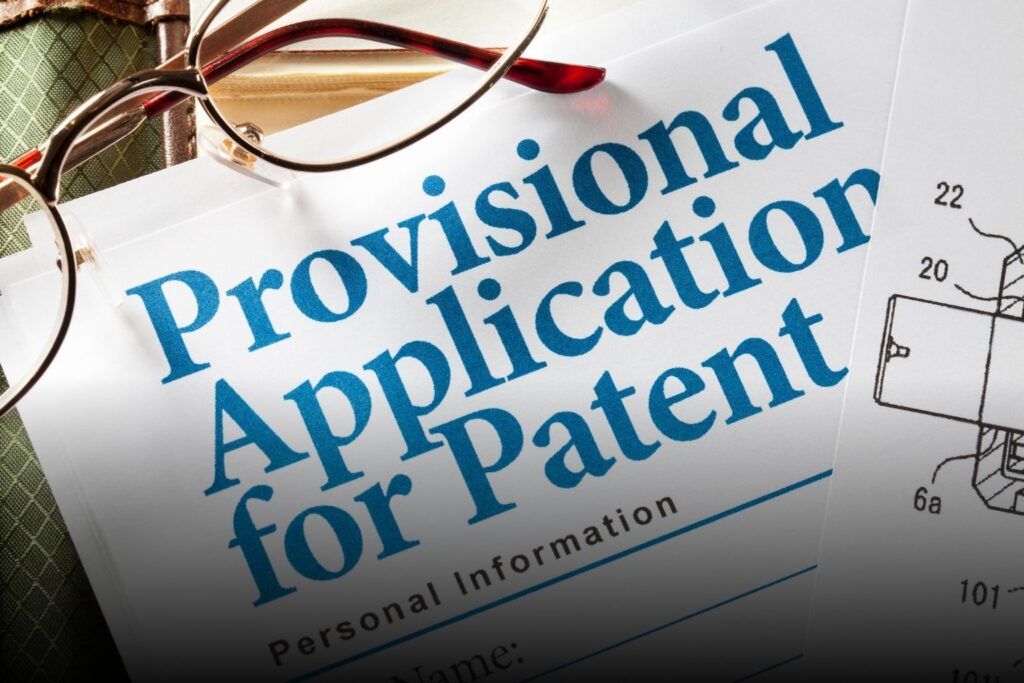
A provisional patent application is a lower-cost initial filing that establishes a priority date and allows the applicant to use the term ‘patent pending’ for 12 months. A provisional application does not undergo examination and does not mature into a patent on its own. The applicant must file a non-provisional (utility) application within 12 months of the provisional filing to claim the benefit of the earlier priority date. Provisional applications are strategically valuable because they allow inventors to establish priority while they continue developing the invention, seek funding, test the market, and prepare a comprehensive non-provisional application.
The Requirements for Patentability
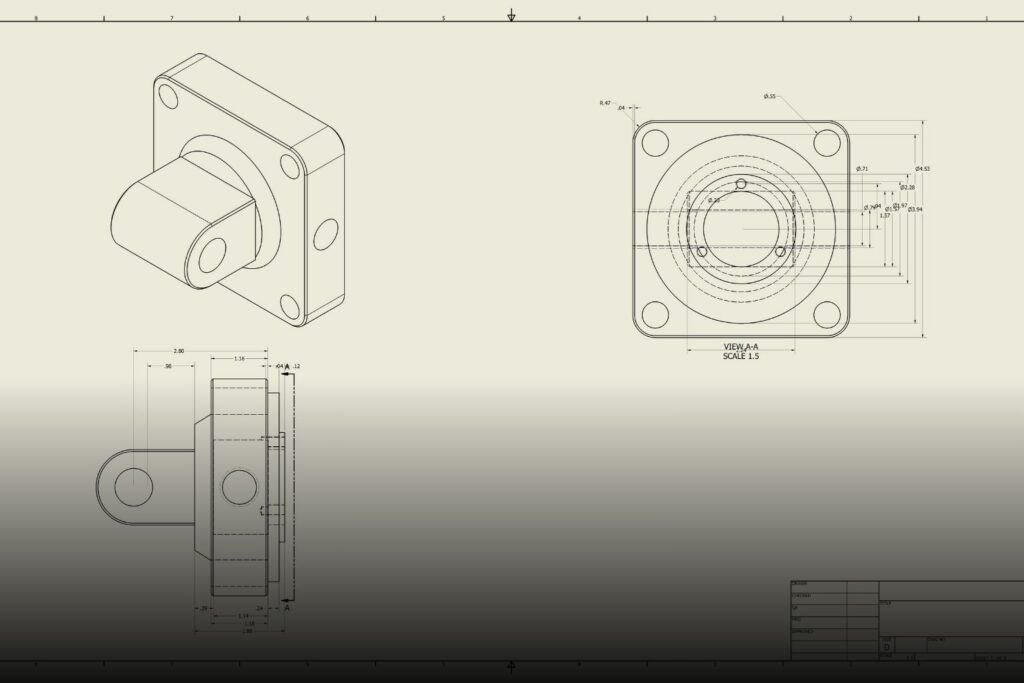
To obtain a patent, an invention must satisfy several fundamental requirements established by Title 35 of the United States Code. Understanding these requirements is essential to evaluating whether an invention is patentable and to preparing an application that will withstand USPTO examination.
Novelty (35 U.S.C. Section 102):
Non-obviousness (35 U.S.C. Section 103)
Utility (35 U.S.C. Section 101)
Adequate disclosure (35 U.S.C. Section 112)
Patent-eligible subject matter
injured? Let Us Help You Get Justice. Free consultation. No fees unless we win your case.
The Patent Application Process
Issuance and Maintenance
Once the application is allowed, the applicant pays an issue fee, and the patent is granted. Utility patents require the payment of maintenance fees at 3.5 years, 7.5 years, and 11.5 years after grant to remain in force. Failure to pay maintenance fees results in expiration of the patent. The Rubin Firm manages maintenance fee deadlines for our clients’ patent portfolios, ensuring that valuable patents are never lost to administrative oversight.
Prior Art Search
Before investing in the preparation of a patent application, a prior art search identifies existing patents, published applications, academic publications, and other publicly available information that may affect the patentability of the invention. The search helps determine whether the invention is novel, provides context for assessing non-obviousness, and informs the strategy for drafting claims that distinguish the invention from the prior art. The Rubin Firm conducts comprehensive prior art searches and provides our clients with a candid assessment of patentability before proceeding with application preparation.
Application Drafting
Drafting a patent application is a technical and legal exercise that requires precision, thoroughness, and strategic thinking. The specification must describe the invention in enough detail for a person skilled in the art to reproduce it. The claims, which define the legal boundaries of the patent’s protection, must be broad enough to provide meaningful commercial protection but narrow enough to distinguish the invention from the prior art. Poorly drafted claims can result in a patent that is easy to design around, while overly broad claims may be rejected by the examiner or invalidated in litigation. Our attorneys draft applications that balance breadth and precision to achieve the strongest possible claim scope.
USPTO Examination and Office Actions
After filing, the application is assigned to a patent examiner in the relevant technology area, who searches the prior art and evaluates the claims against the patentability requirements. The examiner issues an office action if they identify grounds for rejection, and the applicant has an opportunity to respond by amending the claims, presenting arguments, or submitting evidence. Multiple rounds of office actions and responses are common before the application is either allowed or finally rejected. The Rubin Firm handles all prosecution correspondence with the USPTO, crafting responses that overcome rejections while preserving the broadest possible claim scope.
Why The Rubin Firm for Patent Applications
Technical expertise
Strategic claim drafting
Comprehensive prior art analysis
Office action response
Portfolio strategy
Provisional filing strategy
Patent-Eligible Subject Matter After Alice

The Supreme Court’s 2014 decision in Alice Corp. v. CLS Bank International significantly narrowed the scope of patent-eligible subject matter for software and business method inventions. Under the Alice framework, a patent claim is examined in two steps: first, whether the claim is directed to an abstract idea, and second, whether the claim includes an inventive concept that transforms the abstract idea into something that is patent-eligible. This two-step test has resulted in the invalidation of thousands of software patents and has made it more challenging, though not impossible, to obtain patents for software-related inventions.
The Rubin Firm stays current with the evolving case law on patent eligibility and drafts software patent applications with the Alice framework in mind. By emphasizing the technical improvements, specific implementations, and concrete results achieved by the software, rather than describing the invention at a high level of abstraction, we prepare applications that maximize the chances of surviving both USPTO examination and any subsequent validity challenge.
International Patent Protection
Patent rights are territorial, and a U.S. patent provides protection only within the United States. For inventions with international commercial potential, the Patent Cooperation Treaty (PCT) provides a streamlined process for seeking patent protection in multiple countries through a single international application. A PCT application preserves the applicant’s right to file in over 150 member countries for up to 30 months from the earliest priority date, providing time to evaluate market potential and secure funding before committing to the expense of national-phase filings in individual countries. The Rubin Firm advises clients on international patent strategy and coordinates PCT filings and national-phase entries in the markets most important to their business.
Steps to Patent Your Invention
Document your invention thoroughly
Keep detailed records of the development process, including sketches, prototypes, test results, and dates.
Consider a provisional filing
Conduct a prior art search
Contact The Rubin Firm
Continuation and Divisional Applications
The patent system provides several procedural tools that allow applicants to continue pursuing patent protection even after the initial application has been examined. Continuation applications allow the applicant to file new claims based on the same disclosure as the original (parent) application, which is useful when the applicant wants to pursue broader or different claim scope than what was allowed in the parent application. Divisional applications are filed when the USPTO determines that an application contains claims directed to more than one distinct invention and requires the applicant to elect one invention for prosecution, with the remaining inventions available for pursuit through divisional filings.
Continuation-in-part (CIP) applications allow the applicant to add new matter to the original disclosure while claiming the benefit of the parent application’s filing date for the subject matter that was originally disclosed. These procedural tools are strategic assets that allow patent applicants to adapt their protection strategy as the technology evolves, as competitors enter the market, and as the commercial significance of different aspects of the invention becomes clearer. The Rubin Firm advises clients on the strategic use of continuation, divisional, and CIP applications to build robust patent portfolios that provide layered, evolving protection for their innovations.
Common Mistakes That Jeopardize Patent Rights
Inventors and businesses make several common mistakes that can permanently jeopardize their patent rights. The most consequential is public disclosure before filing. Under the America Invents Act, the United States operates a first-to-file patent system, which means that the first person to file a patent application for an invention, not the first to invent it, has priority. While the statute provides a one-year grace period for the inventor’s own public disclosures, most foreign countries have no such grace period, meaning that any public disclosure before filing can permanently bar patent protection in international markets.
Other common mistakes include offering the invention for sale before filing, which can create a statutory bar under 35 U.S.C. Section 102; disclosing the invention to potential investors, business partners, or manufacturers without a non-disclosure agreement in place; waiting too long to file, allowing competitors to file first; and filing a poorly drafted application that fails to describe the invention with sufficient detail to support the claims. The Rubin Firm counsels inventors on these pitfalls before they become problems, ensuring that patent rights are preserved from the earliest stages of the invention process.
Patents as Business Assets
Patents are not just legal instruments; they are business assets that can generate revenue, attract investment, and enhance company valuation. Licensing a patented technology to other companies generates royalty income without requiring the patent holder to manufacture or sell products directly. A strong patent portfolio enhances a startup’s ability to attract venture capital funding because investors recognize that patent protection reduces competitive risk. In acquisitions and mergers, the acquiring company’s valuation of the target frequently includes a significant premium for the target’s patent portfolio. And in competitive markets, patents provide the legal basis for excluding competitors from the protected technology space, creating a defensible market position that drives pricing power and market share.
We’re Here To Heil You Recover Compensation For:
- Injury or damages
- Injury & Medical
- Injury or damages
Serving Clients Throughout Florida
The Rubin Firm prepares and prosecutes patent applications for clients throughout Florida, including Stuart, Martin County, Palm Beach County, the Treasure Coast, South Florida, and statewide.
Referral Partnerships for Patent Matters
Attorneys who encounter patent questions in their business or transactional practice trust The Rubin Firm. Contact us to discuss a referral.
Frequently Asked Questions About Patent Applications
How long does it take to get a patent?
The average time from filing a non-provisional utility patent application to receiving a decision from the USPTO is approximately 18 to 24 months, though complex applications or those requiring multiple rounds of prosecution can take longer. Provisional applications can be filed quickly to establish a priority date while the non-provisional application is prepared.
How much does a patent cost?
Costs vary based on the complexity of the invention and the extent of prosecution required. USPTO filing fees, search fees, and examination fees typically total $1,500 to $3,500 for small entities. Attorney fees for preparation and prosecution vary based on complexity. The Rubin Firm provides transparent fee estimates before beginning the process.
What is the difference between a provisional and non-provisional application?
A provisional application establishes a priority date and patent-pending status for 12 months but does not undergo examination. A non-provisional application is the formal application that is examined by the USPTO and, if allowed, matures into an issued patent. The non-provisional must be filed within 12 months of the provisional to claim its priority date.
Can I patent software?
Software inventions can be patented, but the claims must be drafted carefully to satisfy the patent-eligibility requirements under the Alice framework. Claims that describe specific technical improvements, concrete implementations, and tangible results are more likely to be found patent-eligible than claims that describe abstract ideas at a high level.
What happens if my patent application is rejected?
Rejection is a normal part of the patent prosecution process. The applicant can respond to the examiner’s rejection by amending claims, presenting arguments, and submitting evidence. If the final rejection is maintained, the applicant can appeal to the Patent Trial and Appeal Board (PTAB) or file a continuation application to pursue the claims further.
$150 Million
Your Invention Deserves the Strongest Protection. Patent It Right.
A well-drafted patent application is the foundation of enforceable IP protection. The Florida patent application lawyers at The Rubin Firm bring the technical and legal expertise these filings demand.
Call (772) 283-2004. Complete our form or chat live.
 4.9 Rating on