
When a vehicle strikes a pedestrian, the human body takes the full force of the collision, and the injuries are almost always serious. Many are catastrophic. Some are fatal. Florida ranks as one of the most dangerous states in the nation for pedestrians year after year, and Martin County’s mix of busy commercial corridors, high-speed roads, seasonal traffic surges, and areas with limited sidewalk infrastructure contributes to that grim distinction. A Stuart pedestrian accident lawyer at The Rubin Firm represents injured pedestrians and grieving families throughout Martin County and the Treasure Coast, holding negligent drivers accountable and pursuing the full compensation victims need to begin rebuilding their lives.
Read on to understand your legal rights after a pedestrian accident in Stuart. To speak with an experienced Stuart personal injury attorney at The Rubin Firm, call (772) 283-2004, fill out our online contact form, or start a live chat on our website. Your initial consultation is free and carries no obligation.
Why Choose The Rubin Firm for a Pedestrian Accident Case?
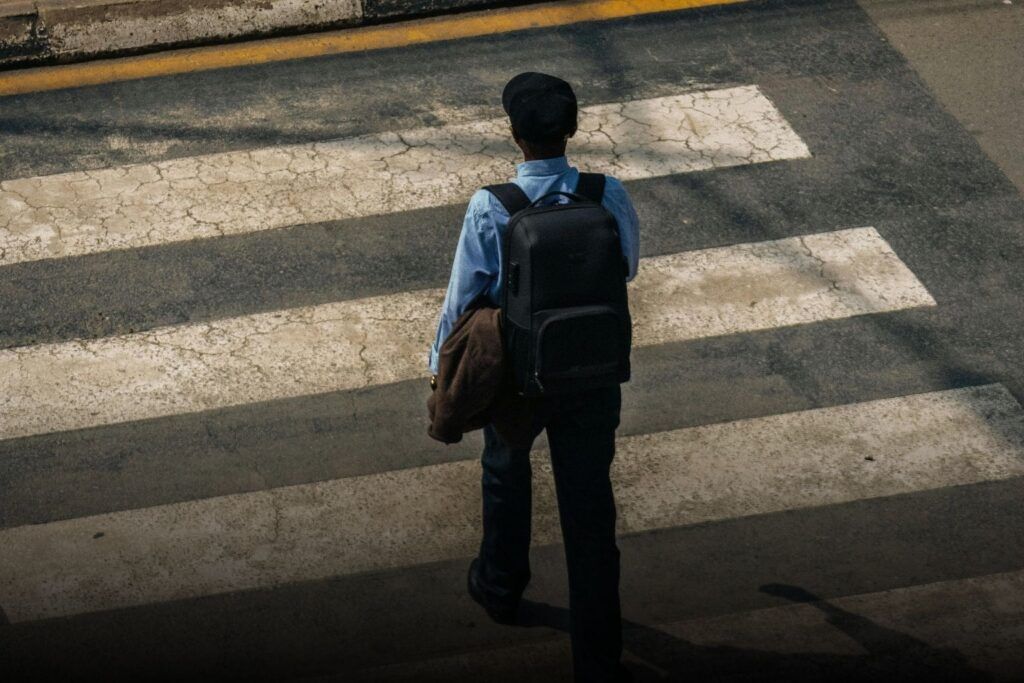
Pedestrian accident claims demand an aggressive, evidence-driven approach from the very beginning. Insurance companies that represent negligent drivers have a well-worn playbook for these cases: shift as much blame as possible onto the pedestrian. They will argue you were jaywalking, distracted by your phone, wearing dark clothing at night, crossing against the signal, or otherwise contributing to your own injuries. These are calculated tactics designed to reduce or eliminate the payout, and they work against victims who do not have experienced legal representation pushing back with evidence.
At The Rubin Firm, we do not allow insurance adjusters to rewrite the facts of what happened. We investigate every angle of the accident: we secure surveillance footage from nearby businesses and traffic cameras before it is recorded over, obtain traffic signal timing data, interview every available witness, analyze the physical evidence at the crash scene, and retain accident reconstruction experts when the circumstances warrant it. We build cases that tell the true story of what happened and force the responsible party to pay what they owe.
Pedestrian accident cases also require an understanding of the medical evidence that sets these injuries apart. The biomechanics of a pedestrian collision produce a specific pattern of trauma that differs from vehicle-to-vehicle crashes: the initial impact to the lower extremities, the secondary impact as the victim is thrown onto the vehicle’s hood or windshield, and the tertiary impact when the victim strikes the pavement. Each of these events can cause distinct, serious injuries, and presenting this medical evidence effectively to an insurer or jury is something our attorneys do with skill and experience.
We counter insurance tactics
Rapid evidence preservation
Comprehensive medical documentation
We work closely with medical professionals and experts to document the full scope of injuries and connect them directly to the accident.
Compassionate and personal representation
Contingency fee representation
You pay no attorney fees unless we recover compensation on your behalf.
injured? Let Us Help You Get Justice. Free consultation. No fees unless we win your case.
Common Causes of Pedestrian Accidents in Stuart and Martin County

Impaired driving:
Alcohol and drug impairment reduce a driver’s reaction time, blur their judgment, and narrow their field of vision, making collisions with pedestrians far more likely, particularly during evening and nighttime hours.
Poor visibility and inadequate infrastructure:
Dusk, dawn, and nighttime hours account for the majority of pedestrian fatalities nationwide. Inadequate street lighting, faded or missing crosswalk markings, the absence of pedestrian refuge islands on wide roads, and gaps in the sidewalk network all compound the risk in Martin County.
Backing vehicles in parking areas:
Pedestrians walking through parking lots, driveways, and commercial loading zones face risks from drivers who fail to check behind their vehicles before reversing. These incidents are especially dangerous for children and elderly pedestrians.
Florida has consistently ranked among the most dangerous states in the nation for pedestrians. The National Highway Traffic Safety Administration (NHTSA) reports thousands of pedestrian fatalities across the country each year, and Florida accounts for a disproportionate share of that total. The Governors Highway Safety Association has repeatedly identified Florida as one of the top states for pedestrian deaths, and the trend has worsened in recent years even as vehicle safety technology has improved.
Stuart and Martin County present a particularly hazardous environment for pedestrians. The area’s combination of busy commercial strips along U.S. Route 1 and Monterey Road, multi-lane arterials that prioritize vehicle throughput over pedestrian safety, retirement communities where older residents walk to nearby shops and medical offices, and tourist traffic from visitors unfamiliar with local roads creates a dangerous mix. Many pedestrian crashes in Martin County occur at intersections where drivers making turns fail to check for people in the crosswalk, and on stretches of road where pedestrians must cross multiple lanes of fast-moving traffic to reach a bus stop, shopping center, or neighborhood entrance.
Speed is the single most important factor in determining whether a pedestrian survives a collision. Research published by the AAA Foundation for Traffic Safety demonstrates that a pedestrian struck by a vehicle traveling 25 mph has roughly a 90% survival rate. At 40 mph, the survival rate drops to approximately 55%. At 55 mph, survival becomes unlikely. Even small reductions in speed translate to dramatically better outcomes, which is why speed management and traffic calming measures in pedestrian areas are so critical.
Distracted driving:
Drivers looking at phones, adjusting GPS navigation, changing music, or otherwise distracted are the leading threat to pedestrians. A driver who is not watching the road simply will not see a pedestrian until it is too late to stop.
Failure to yield at crosswalks:
Drivers making right turns on red, left turns through intersections, or exiting driveways frequently fail to check for pedestrians who have the right of way in the crosswalk. This is one of the most common causes of pedestrian crashes in Stuart.
Speeding:
Excessive speed both increases the likelihood of a pedestrian collision and dramatically increases the severity of injuries sustained. Higher speed means less time to react and far more force transferred to the pedestrian’s body on impact.
Injuries Sustained in Pedestrian Accidents
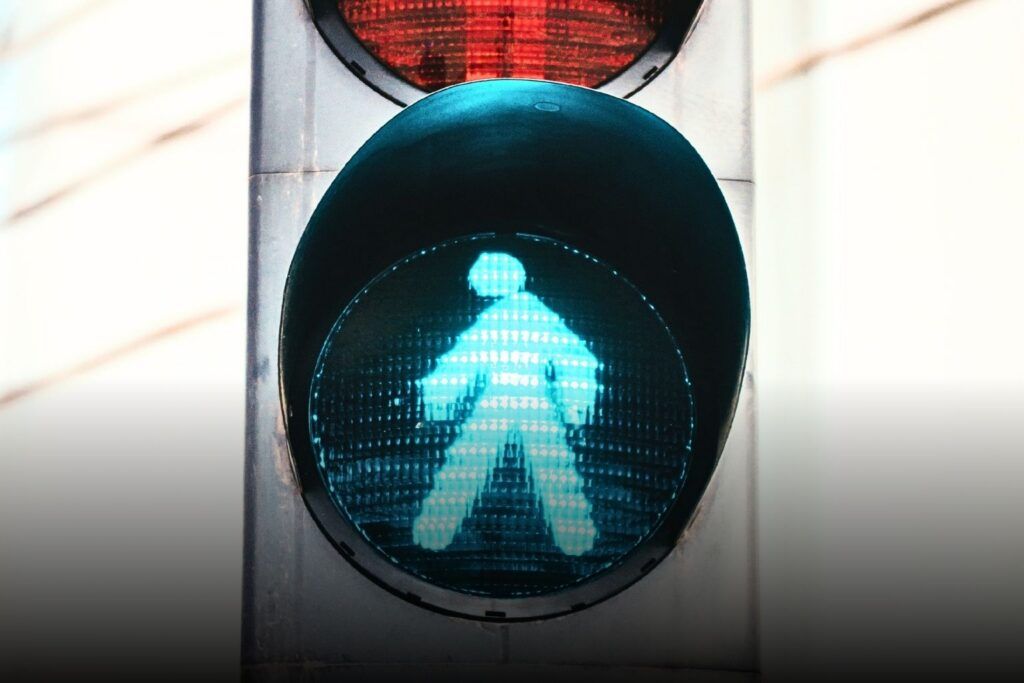
The injuries sustained when a motor vehicle strikes a pedestrian are typically far more severe than those in vehicle-to-vehicle collisions. Without any form of external protection, the pedestrian’s body absorbs the entire force of the impact. Trauma physicians describe a characteristic three-stage injury pattern in pedestrian crashes that produces damage to nearly every region of the body.
The first impact strikes the pedestrian’s lower extremities, typically at bumper height, causing fractures to the legs, knees, and pelvis. The second impact occurs as the pedestrian’s upper body is thrown forward onto the vehicle’s hood, fender, or windshield, causing head injuries, chest trauma, and arm fractures. The third impact happens when the pedestrian is thrown clear of the vehicle and strikes the road surface, causing additional head trauma, spinal injuries, and abrasions. Each stage of this sequence can independently cause life-threatening or permanently disabling injuries.
Traumatic brain injuries (TBI)
Spinal cord injuries and paralysis
Fractures and orthopedic injuries
Internal organ damage
Psychological trauma
Scarring and disfigurement
Wrongful death
Florida Pedestrian Laws and Your Legal Rights

Florida law provides pedestrians with specific rights and protections on the road. Under Florida Statutes Section 316.130, drivers are required to yield the right-of-way to pedestrians within crosswalks and to exercise due care to avoid striking any pedestrian on any roadway. These are not suggestions. They are legal obligations, and drivers who violate them and cause injuries can be held liable for the resulting damages.
Pedestrians also have legal obligations under Florida law, including obeying traffic control signals, using crosswalks where they are available, and yielding to vehicles when crossing outside a crosswalk. However, even when a pedestrian violates one of these obligations, a driver still has the independent duty to exercise due care to avoid striking any person on the roadway.
Florida’s comparative negligence system, codified in Florida Statutes Section 768.81, is critically important for pedestrian accident victims. Under this system, you can still recover compensation even if you share some fault for the accident. If you were crossing outside a marked crosswalk, for example, but the driver was speeding and distracted, the jury would assign a percentage of fault to each party. Your compensation would be reduced by your percentage of responsibility, but you would not be barred from recovery. This protection is especially important because insurance companies aggressively argue pedestrian fault to minimize their payouts.
The statute of limitations for pedestrian accident claims in Florida is governed by Florida Statutes Section 95.11, which generally provides two years from the date of the accident to file a personal injury lawsuit. Wrongful death claims also carry a two-year deadline from the date of death. Missing either deadline almost always results in the permanent loss of your right to seek compensation, regardless of how clear the evidence of fault may be.
Compensation Available for Pedestrian Accident Victims in Stuart
The compensation available after a pedestrian accident in Stuart depends on the nature and severity of the injuries, the impact on the victim’s daily life and future earning ability, and the evidence supporting the claim. A pedestrian accident attorney in Stuart at The Rubin Firm evaluates every element of damages to ensure nothing is overlooked and the full scope of harm is presented to the insurance company or jury.
Medical expenses
Lost wages and diminished earning capacity
Income lost during treatment and recovery, and the reduced ability to earn income in the future if permanent injuries prevent a return to the victim’s prior occupation.
Pain and suffering
Physical pain, emotional anguish, mental distress, anxiety, depression, loss of sleep, and the overall diminishment of the victim’s enjoyment of life and ability to participate in activities they valued before the accident.
Scarring and disfigurement
Compensation for permanent visible injuries that affect the victim’s appearance, self-confidence, and emotional well-being.
Wrongful death damages
When a pedestrian accident is fatal, surviving family members may recover funeral and burial costs, lost future financial support, loss of parental guidance and companionship, and mental pain and suffering under Florida’s Wrongful Death Act.
Steps to Take After a Pedestrian Accident in Stuart
The steps you take after being struck by a vehicle can significantly affect both your medical recovery and the strength of your legal claim. While every situation is different, and your first priority should always be your physical safety and health, the following actions can help protect your rights.
Call 911:
Ensure that emergency medical responders are dispatched and that a police officer responds to the scene to prepare an official crash report. That report documents critical facts while they are fresh and becomes a key piece of evidence.
Accept medical transport and treatment:
If paramedics recommend transport to the hospital, go. Many pedestrian injuries, including internal bleeding and brain injuries, may not present obvious symptoms at the scene. Adrenaline can mask even severe pain. Delaying medical treatment also gives the insurance company grounds to argue that your injuries are not as serious as you claim.
Document the scene if you are able:
If your condition permits, use your phone to photograph the intersection, traffic signals, crosswalk markings (or the absence of markings), the vehicle that struck you, your injuries, and the overall conditions at the scene. If you cannot do this yourself, ask a witness to help.
Collect witness information:
Do not speak with the driver's insurance company:
Contact The Rubin Firm:
The sooner an attorney is involved, the better. We will preserve critical evidence, begin an independent investigation, handle all communications with the insurance company, and protect your right to fair compensation from the very start.
We’re Here To Heil You Recover Compensation For:
- Injury or damages
- Injury & Medical
- Injury or damages
Serving Pedestrian Accident Victims Across Stuart, Martin County, and the Treasure Coast
The Rubin Firm represents injured pedestrians in Stuart, Palm City, Jensen Beach, Hobe Sound, Indiantown, Sewall’s Point, Port Salerno, Port St. Lucie, Fort Pierce, Vero Beach, Jupiter, and throughout Martin County, St. Lucie County, Indian River County, and Palm Beach County. Our attorneys know the intersections, corridors, and conditions that make pedestrian accidents so common in this region, and we use that knowledge to build stronger cases.
A Trusted Referral Partner for Pedestrian Accident Cases
Attorneys throughout the Treasure Coast and Palm Beach County trust The Rubin Firm as a referral partner for complex pedestrian accident and personal injury cases. If you have a client who needs experienced trial counsel for a pedestrian crash case in Martin County, we welcome the opportunity to work together. Contact us to discuss a referral partnership.
Frequently Asked Questions About Stuart Pedestrian Accidents
Can I recover compensation if I was crossing outside of a crosswalk?
Yes. Florida’s comparative negligence system allows pedestrians to recover damages even when they share some responsibility for the accident. Your compensation would be reduced by your percentage of fault, but you are not automatically barred from recovery because you were crossing outside a marked crosswalk. Drivers still have an independent legal duty to exercise due care to avoid striking any pedestrian on the roadway.
Who is liable when a car hits a pedestrian in Florida?
The driver who struck the pedestrian is typically the primary liable party if their negligence caused or contributed to the crash. In some situations, other parties may share liability as well. A property owner who failed to maintain adequate lighting at a commercial parking lot, a municipality that neglected dangerous crosswalk conditions or allowed a traffic signal to malfunction, or a construction company that blocked a sidewalk and forced pedestrians into the roadway may all bear a share of the responsibility.
What if the driver who hit me does not have insurance?
Florida does not require drivers to carry bodily injury liability insurance, which means some at-fault drivers lack the coverage needed to pay your claim. In this situation, uninsured motorist (UM) coverage on your own auto policy, if you have one, may provide compensation. An attorney can review all available insurance policies and pursue every potential source of recovery.
How long do I have to file a pedestrian accident claim in Florida?
The general statute of limitations for personal injury claims is two years from the date of the accident. Wrongful death claims carry a two-year deadline from the date of death. Because evidence degrades, witnesses become harder to locate, and surveillance footage is routinely overwritten, contacting an attorney as soon as possible after the accident gives your case the strongest possible foundation.
Should I accept the insurance company’s first settlement offer?
Almost never. Initial settlement offers from insurance companies are almost always significantly below the true value of a pedestrian accident claim. Insurers extend these early offers hoping that victims will accept before they fully understand the extent of their injuries and future medical needs. Before agreeing to any settlement, consult with an experienced pedestrian accident attorney who can evaluate whether the offer fairly reflects your medical costs, lost income, pain and suffering, and other damages.
$150 Million
Hit by a Car While Walking? You Deserve Answers and Compensation.
The Stuart pedestrian accident lawyers at The Rubin Firm are ready to listen to your story, investigate what happened, and fight for the full compensation you and your family deserve. We have the experience, the resources, and the determination to hold negligent drivers accountable.
Call (772) 283-2004 for a free, no-obligation consultation. Complete our online contact form or chat live on our website. There is no fee unless we win your case.
 4.9 Rating on