

Assisted living facilities occupy a middle ground in the spectrum of residential care: they provide more support than independent living but less intensive medical care than nursing homes. Residents in assisted living typically need help with daily activities like bathing, dressing, meal preparation, and medication management, but they do not require around-the-clock skilled nursing care. That distinction matters legally because assisted living facilities in Florida are regulated under a different chapter of state law than nursing homes, with different licensing requirements, different staffing standards, and different resident rights provisions. When an assisted living facility fails to meet its obligations and a resident is harmed through abuse, neglect, or exploitation, the legal framework for holding the facility accountable reflects those regulatory differences. A Stuart assisted living abuse lawyer at The Rubin Firm understands the specific laws that govern assisted living facilities in Martin County and fights to protect residents whose care providers have failed them.
If you suspect that a loved one is being mistreated in an assisted living facility, do not wait. Call The Rubin Firm at (772) 283-2004, complete our contact form, or start a live chat. Early intervention can prevent further harm.
How Assisted Living Facilities Differ from Nursing Homes
Understanding the distinction between assisted living facilities and nursing homes is important because it affects the legal standards that apply to your case, the regulatory framework the facility must follow, and the specific rights your loved one is entitled to under Florida law.
Nursing homes provide 24-hour skilled nursing care under the supervision of licensed nurses and are governed by Florida Statutes Chapter 400. They serve residents with complex medical needs, including those recovering from surgery, those requiring wound care or IV therapy, and those with advanced dementia who need constant supervision.
Assisted living facilities, governed by Florida Statutes Chapter 429, provide a lower level of medical support. They assist residents with activities of daily living, including bathing, dressing, grooming, eating, mobility, and medication administration. Some ALFs hold specialty licenses for limited nursing services, extended congregate care, or limited mental health services. But the core distinction is that ALF residents do not require the continuous skilled nursing care that nursing home residents need.
This distinction has practical consequences. Staffing ratios in assisted living facilities are generally lower than in nursing homes. The qualification requirements for staff are often less stringent. The frequency and scope of state inspections may differ. And the specific resident rights provisions, while substantial, are tailored to the assisted living context rather than the skilled nursing context. An attorney who handles an ALF abuse case using the legal framework designed for nursing homes may miss important provisions and fail to apply the correct standards.
Florida Assisted Living Residents' Rights
Chapter 429 of the Florida Statutes establishes a comprehensive bill of rights for assisted living facility residents. These rights include the right to be treated with dignity and respect, the right to receive adequate and appropriate healthcare services, the right to be free from abuse, neglect, and exploitation, the right to privacy in treatment and personal care, the right to manage one’s own financial affairs, the right to unrestricted communication with family, friends, and legal counsel, the right to participate in one’s own care planning, and the right to file grievances and complaints without fear of retaliation.
These are not theoretical protections. They are legally enforceable standards that create a duty of care the facility must uphold. When a facility violates a resident’s rights, whether through active abuse, passive neglect, or financial exploitation, the resident and their family have the legal right to pursue a civil claim for damages. Florida law also provides for the recovery of attorney fees in successful claims based on violations of resident rights, which removes a significant financial barrier for families seeking accountability.
Why The Rubin Firm for Assisted Living Abuse Cases

Assisted living abuse cases require an attorney who understands the specific regulatory framework that governs these facilities.
The standards for staffing, medication management, supervision, and safety in assisted living facilities differ from those in nursing homes, and applying the wrong standard can undermine a claim.
The Rubin Firm brings the specific knowledge these cases demand.
Regulatory expertise
Investigation depth
Medical and care standard analysis
Family advocacy
Contingency fee
injured? Let Us Help You Get Justice. Free consultation. No fees unless we win your case.
Common Forms of Assisted Living Abuse and Neglect

Financial exploitation:
Theft of personal property, unauthorized access to the resident’s bank accounts, coercion to change financial documents, and billing for services not provided.
Elopement and wandering:
Facilities that serve residents with dementia or cognitive impairment have a duty to prevent unsafe wandering and elopement. When a resident with dementia wanders away from the facility and is injured or killed, the facility’s failure to implement appropriate safeguards is a clear breach of duty.
The types of mistreatment that occur in assisted living facilities mirror those found in nursing homes, but certain categories are particularly prevalent in the ALF setting because of the nature of the care provided and the populations served.
Neglect of daily care:
Failure to assist residents with bathing, dressing, grooming, toileting, and mobility as needed. Residents who cannot perform these activities independently are entirely dependent on staff, and when staffing is inadequate, basic needs go unmet.
Medication errors:
Assisted living facilities are responsible for administering prescribed medications to residents who need assistance. Wrong medications, missed doses, incorrect dosages, and failure to monitor for side effects or drug interactions can cause serious medical complications. Some facilities use medication to sedate difficult residents, a practice known as chemical restraint that violates resident rights.
Fall prevention failures:
Many ALF residents have mobility limitations, balance problems, or cognitive conditions that increase their risk of falling. Facilities are required to assess fall risk and implement prevention measures. When they fail to do so, and a resident falls and suffers a hip fracture, brain injury, or other serious harm, the facility bears responsibility.
Physical abuse:
Hitting, pushing, rough handling during transfers, inappropriate physical restraint, and other intentional physical harm by staff members or other residents.
Emotional abuse:
Verbal intimidation, threats, humiliation, social isolation, and deliberate emotional cruelty that causes psychological harm to the resident.
Warning Signs That Your Loved One May Be Suffering
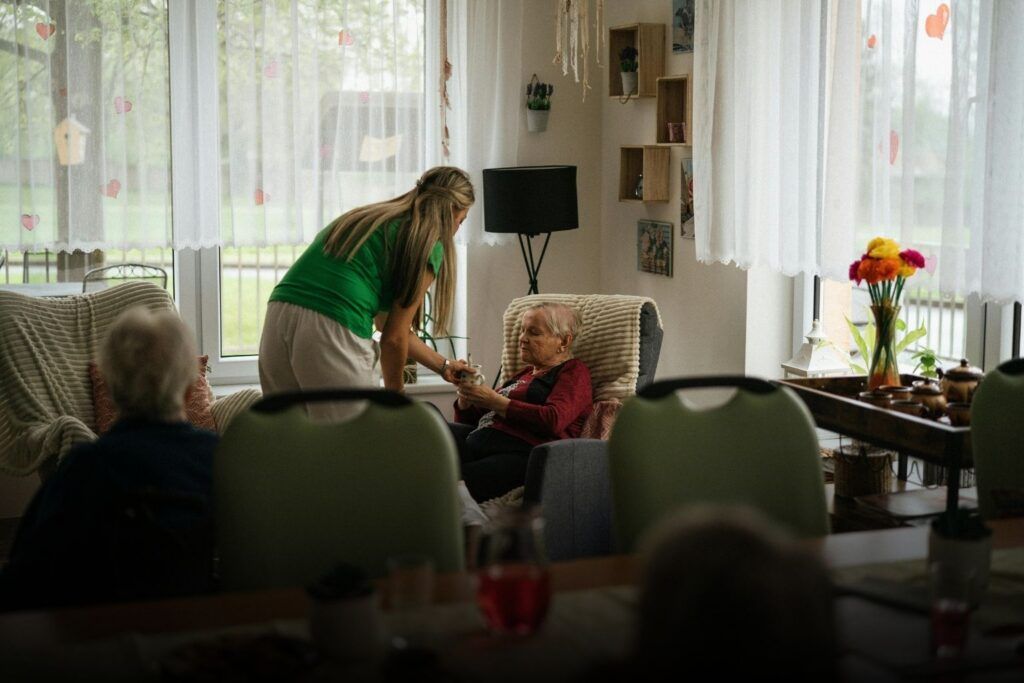
Families should watch for changes in their loved one’s physical condition, behavior, and environment during every visit.
The following warning signs may indicate that abuse or neglect is occurring.
Unexplained injuries
Frequent falls
Weight loss and dehydration
Poor personal hygiene
Untreated medical conditions
Behavioral changes
Missing personal items
The Impact of Understaffing in Assisted Living Facilities

Just as in nursing homes, understaffing is the single most common root cause of neglect in assisted living facilities. When a facility does not employ enough qualified staff to meet the needs of its resident population, the quality of care deteriorates across every dimension. Meals are rushed or missed. Medication rounds are delayed or skipped. Residents who need help getting to the bathroom wait so long that they have accidents, which is not only a dignity issue but a fall risk when they try to go themselves. Activity programs that support cognitive health and social engagement are cut or eliminated. And the staff members who are working become exhausted, frustrated, and more likely to cut corners or respond to residents with impatience and roughness.
Florida law requires assisted living facilities to maintain staffing levels sufficient to meet the needs of their residents, but enforcement is imperfect and some facilities operate at staffing levels that are dangerously inadequate. The Rubin Firm investigates staffing patterns, employee turnover rates, and the ratio of staff to residents as a core component of every ALF abuse case. When we can demonstrate that the facility chose to understaff in order to reduce costs, and that the resulting care deficiencies caused harm to the resident, we have a powerful foundation for both compensatory and punitive damages.
Compensation in Assisted Living Abuse Cases
A assisted living abuse attorney in Stuart at The Rubin Firm pursues every available category of damages when a facility fails to meet its obligations to a resident.
Medical expenses
Pain and suffering
Relocation costs
Punitive damages
Wrongful death damages
Attorney fees
Reporting Abuse at an Assisted Living Facility
Report suspected abuse or neglect to the Florida Abuse Hotline at 1-800-962-2873 or file a complaint with the Agency for Health Care Administration. If you believe criminal abuse is occurring, contact local law enforcement. Reporting creates an official record, triggers a state investigation, and may help protect not only your loved one but other residents as well.
Steps to Protect Your Loved One
Visit frequently and at varying times:
Unannounced visits at different times of day give you a more accurate picture of the care being provided.
Report concerns:
Document what you observe:
Request records:
Obtain the resident’s medical and care records from the facility.
Talk to your loved one privately:
Ask how they are being treated and whether they feel safe. Listen carefully to what they say and what they do not say.
Contact The Rubin Firm:
We investigate assisted living abuse claims and take legal action to protect residents and hold facilities accountable. Call (772) 283-2004.
We’re Here To Heil You Recover Compensation For:
- Injury or damages
- Injury & Medical
- Injury or damages
Serving Assisted Living Abuse Victims Across the Treasure Coast
The Rubin Firm represents assisted living abuse victims and their families in Stuart, Martin County, Port St. Lucie, Fort Pierce, Vero Beach, Jupiter, Palm Beach County, and throughout the Treasure Coast.
Referral Partnerships for Assisted Living Abuse Cases
Attorneys who encounter assisted living abuse situations in their practice trust The Rubin Firm to investigate and pursue these claims. Contact us to discuss a referral.
Frequently Asked Questions About Assisted Living Facility Abuse
How do assisted living facilities differ from nursing homes?
Assisted living facilities help residents with daily activities like bathing, dressing, and medication management, while nursing homes provide intensive 24-hour skilled nursing care. They are regulated under different chapters of Florida law (Chapter 429 for ALFs, Chapter 400 for nursing homes) with different staffing requirements and care standards.
What are common signs of neglect in an assisted living facility?
Warning signs include unexplained injuries, frequent falls, weight loss, dehydration, poor hygiene, untreated medical conditions, behavioral changes, medication irregularities, and missing personal belongings.
What legal protections do assisted living residents have?
Florida Statutes Chapter 429 establishes comprehensive resident rights including the right to adequate care, freedom from abuse, privacy, dignity, the right to manage financial affairs, the right to file grievances without retaliation, and other protections that create legally enforceable standards.
How do I report abuse at an assisted living facility?
Contact the Florida Abuse Hotline at 1-800-962-2873 or file a complaint with the Agency for Health Care Administration. Report to local law enforcement if criminal abuse is suspected.
Can I file a lawsuit against an assisted living facility?
Yes. When an assisted living facility violates a resident’s rights through abuse, neglect, or exploitation, the resident and their family can pursue civil claims for compensatory damages, punitive damages in egregious cases, and attorney fees. The Rubin Firm handles these cases on a contingency fee basis.
$150 Million
Your Loved One Deserves Dignity and Safety. We Fight for Them.
Assisted living residents who are abused or neglected deserve legal advocates who understand the specific laws that protect them. The Stuart assisted living abuse lawyers at The Rubin Firm hold negligent facilities accountable and fight for the compensation and accountability families deserve.
Call (772) 283-2004 for a free consultation. Complete our contact form or chat live. No fee unless we win.
 4.9 Rating on