

IP litigation is among the most complex and specialized areas of federal practice, requiring attorneys who understand the substantive law governing each type of intellectual property, the procedural rules of the federal courts and administrative tribunals where these cases are heard, and the technical subject matter underlying the dispute. The stakes in IP litigation are typically substantial: injunctions that can force products off the market, damages awards reaching millions of dollars, and judgments that reshape competitive dynamics in entire industries. Whether you are a patent holder whose invention is being copied, a brand owner whose trademark is being infringed, a creator whose copyrighted work is being exploited, or a business whose trade secrets have been stolen, the outcome of IP litigation can determine the future of your business. A Florida IP litigation lawyer at The Rubin Firm represents plaintiffs and defendants in federal court proceedings involving every category of intellectual property, bringing the legal expertise, technical knowledge, and trial experience that these high-stakes cases demand.
When your IP rights require enforcement or defense, call The Rubin Firm at (772) 283-2004, complete our contact form, or start a live chat.
Types of IP Litigation We Handle
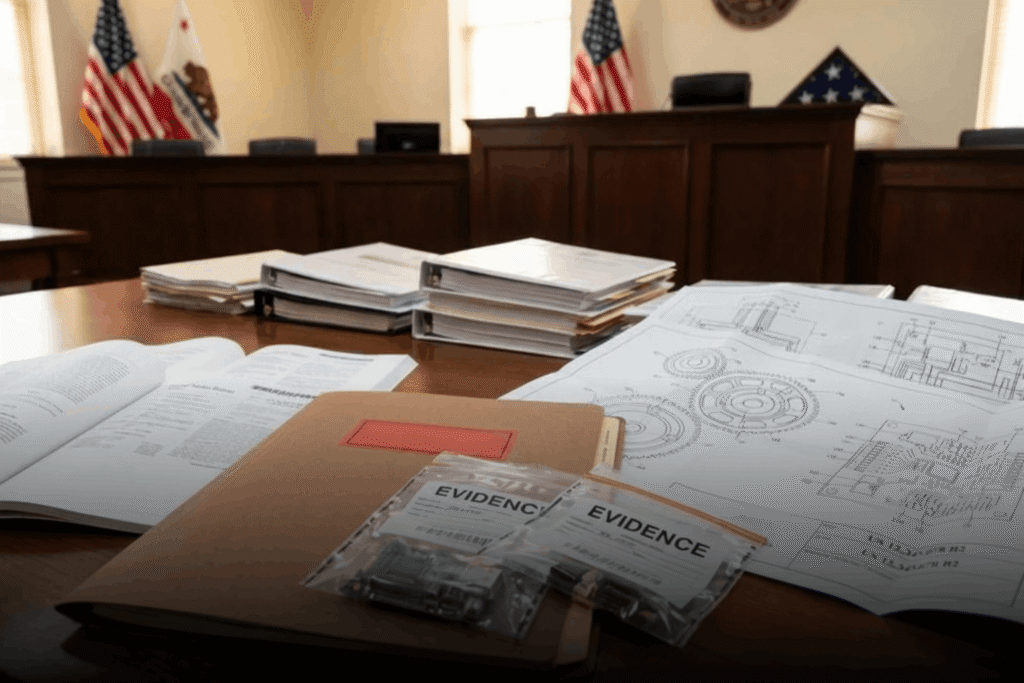
The Rubin Firm litigates intellectual property disputes across all major categories of IP law, representing both plaintiffs seeking to enforce their rights and defendants challenging allegations of infringement or misappropriation.
Trademark Infringement and Unfair Competition
We litigate claims under the Lanham Act and Florida’s state trademark statutes, including trademark infringement, trade dress infringement, false advertising, counterfeiting, and cybersquatting. We also handle related unfair competition claims arising from deceptive business practices, passing off, and reverse confusion. Trademark litigation frequently involves preliminary injunction proceedings that require immediate, intensive advocacy to prevent ongoing harm to the brand while the case proceeds to trial.
Patent Infringement
Copyright Infringement
Trade Secret Misappropriation
We litigate trade secret cases under both the federal Defend Trade Secrets Act and the Florida Uniform Trade Secrets Act. Trade secret litigation frequently begins with emergency proceedings to obtain temporary restraining orders and preliminary injunctions that prevent the continued use or disclosure of the misappropriated information. These cases often involve forensic examination of electronic devices, analysis of departing employees’ data access patterns, and expert testimony on the economic value of the misappropriated information.
injured? Let Us Help You Get Justice. Free consultation. No fees unless we win your case.
Where IP Cases Are Litigated
UDRP proceedings:
Domain name disputes involving trademarks can be resolved through the Uniform Domain Name Dispute Resolution Policy, administered by WIPO and other approved providers. UDRP proceedings are faster and less expensive than federal court litigation.
Arbitration and mediation:
IP litigation occurs across multiple forums, each with different procedures, standards, and strategic considerations.
Federal district courts:
The primary forum for IP litigation. Patent, trademark, copyright, and trade secret cases are all litigated in the United States District Courts. The Southern District of Florida, Middle District of Florida, and Northern District of Florida each have local rules and judicial preferences that affect case management and strategy.
Trademark Trial and Appeal Board (TTAB):
An administrative body within the USPTO that adjudicates opposition and cancellation proceedings involving trademark registrations. TTAB proceedings are less expensive than federal court litigation but are limited to questions of registrability and cannot award damages.
Patent Trial and Appeal Board (PTAB):
An administrative body that conducts Inter Partes Review, Post-Grant Review, and Covered Business Method Review proceedings to evaluate the validity of issued patents. PTAB proceedings are faster and less expensive than federal court validity challenges.
International Trade Commission (ITC):
Section 337 investigations at the ITC provide an alternative enforcement mechanism for patent owners whose patents are being infringed by imported products. The ITC can issue exclusion orders blocking infringing imports at the border.
The IP Litigation Process in Federal Court

IP litigation in federal court follows a structured timeline that typically spans one to three years from filing through trial, though many cases resolve through settlement before trial.
Pre-suit investigation
Complaint and preliminary proceedings
Claim construction (patent cases
Discovery
Expert reports and Daubert motions
Summary judgment
Trial
Post-trial motions and appeal
Emergency Injunctive Relief in IP Cases

Many IP disputes require immediate action to prevent ongoing harm. When a competitor launches a product that infringes your patent, when a former employee begins using your trade secrets at a competing business, when counterfeit products bearing your trademark flood the market, or when unauthorized copies of your copyrighted work appear online, waiting for the normal litigation timeline to produce a result means months or years of additional damage.
The Rubin Firm files motions for temporary restraining orders and preliminary injunctions at the outset of IP litigation when the circumstances warrant emergency relief. To obtain a preliminary injunction in the Eleventh Circuit, the moving party must demonstrate a substantial likelihood of success on the merits, a substantial threat of irreparable injury if the injunction is not granted, that the threatened injury to the movant outweighs the harm the injunction may cause to the opposing party, and that the injunction would not be adverse to the public interest. We present comprehensive evidence and persuasive advocacy on each of these factors to obtain the emergency relief our clients need.
Damages in IP Litigation
IP litigation damages vary based on the type of intellectual property and the nature of the infringement.
Patent damages:
Lost profits or a reasonable royalty, enhanced damages up to three times for willful infringement, attorney fees in exceptional cases, and prejudgment interest.
Copyright damages:
Trademark damages:
Trade secret damages:
Why The Rubin Firm for IP Litigation
Multi-forum experience
Technical expertise
Emergency relief
Trial experience
Strategic settlement
Plaintiff and defense
Alternative Dispute Resolution for IP Disputes
Not every IP dispute belongs in a courtroom. Mediation and arbitration can resolve IP disputes faster, less expensively, and more privately than federal litigation. Mediation involves a neutral mediator who facilitates settlement negotiations between the parties. Arbitration involves a neutral arbitrator (or panel) who hears evidence and arguments and issues a binding decision. Many IP licensing agreements include arbitration clauses that require disputes to be resolved through arbitration rather than litigation, and even when no contractual requirement exists, the parties may agree to ADR as a cost-effective alternative.
The Rubin Firm represents clients in IP mediation and arbitration proceedings, and we evaluate ADR options at every stage of an IP dispute. When ADR can achieve the client’s objectives more efficiently than litigation, we recommend it. When litigation is necessary to enforce the client’s rights or defend against an unmeritorious claim, we are fully prepared to take the case to trial.
Steps to Take When IP Litigation Is Necessary
The choice between litigation and alternative dispute resolution is not always binary. In some cases, the most effective strategy is to file suit to establish the seriousness of the claim and to obtain discovery and injunctive relief, while simultaneously pursuing mediation or settlement negotiations. The filing of a lawsuit often changes the dynamics of a dispute by forcing the opposing party to confront the legal and financial risks of continued infringement. Many IP cases settle after suit is filed but before trial, often during or after discovery reveals the strength of each side’s position. The Rubin Firm manages this dynamic strategically, maintaining litigation momentum while remaining open to resolution when the terms serve our client’s interests.
Preserve all evidence:
Consider emergency relief:
Assess the economics:
Contact The Rubin Firm:
We’re Here To Heil You Recover Compensation For:
- Injury or damages
- Injury & Medical
- Injury or damages
Serving Clients Throughout Florida
The Rubin Firm litigates intellectual property disputes in the Southern, Middle, and Northern Districts of Florida, before the TTAB, the PTAB, and in alternative dispute resolution proceedings nationwide.
Referral Partnerships for IP Litigation
Attorneys who encounter IP disputes in their practice trust The Rubin Firm for experienced litigation counsel. Contact us to discuss a referral.
Frequently Asked Questions About IP Litigation
Where are IP cases litigated?
Most IP cases are litigated in federal district courts. Additional forums include the TTAB (trademark registration disputes), the PTAB (patent validity challenges), the ITC (imported infringing products), and UDRP proceedings (domain name disputes). The choice of forum depends on the type of dispute and the remedies sought.
How long does IP litigation take?
Federal court IP litigation typically takes one to three years from filing through trial. TTAB proceedings take 12 to 24 months. PTAB proceedings take 12 to 18 months. UDRP proceedings take approximately 60 days. Many cases settle before trial.
What damages are available in IP cases?What damages are available in IP cases?
Damages vary by IP type but generally include compensatory damages (lost profits, reasonable royalty, or actual damages), the infringer’s profits, enhanced or exemplary damages for willful conduct, statutory damages in trademark counterfeiting and copyright cases, and attorney fees in exceptional cases.
Can I get an emergency court order to stop infringement?
Yes. Temporary restraining orders and preliminary injunctions are available in federal court when the IP owner demonstrates a likelihood of success on the merits, irreparable harm, a favorable balance of hardships, and that the injunction serves the public interest.
Should I try to settle or go to trial?
The answer depends on the strength of the case, the potential damages, the cost of litigation, and the strategic value of the IP right at issue. Many IP disputes are best resolved through negotiation or mediation, but when settlement cannot achieve a fair outcome, trial provides the definitive resolution.
$150 Million
When IP Rights Are at Stake, You Need Litigators Who Know the Territory.
IP litigation demands specialized knowledge, technical fluency, and trial experience. The Florida IP litigation lawyers at The Rubin Firm bring all three to every case.
Call (772) 283-2004. Complete our form or chat live.
 4.9 Rating on