

You do not even have to sell a single gram of any substance. In Florida, trafficking charges are triggered solely by the weight of the controlled substance found in your actual or constructive possession. Cross the statutory weight threshold, and you face mandatory minimum prison sentences that the judge cannot reduce, regardless of your background, your intent, or the circumstances of the arrest. A first-time offender with no criminal history who is found with the threshold amount of a controlled substance faces the same mandatory prison sentence as a career drug distributor. A Stuart drug trafficking lawyer at The Rubin Firm provides the aggressive, experienced defense that trafficking charges demand, because everything, your freedom, your future, your family, is on the line.
Do not speak to anyone about the charges before you speak to an attorney. Call The Rubin Firm at (772) 283-2004, submit our contact form, or start a live chat. Time is critical.
Florida's Drug Trafficking Thresholds and Mandatory Minimums
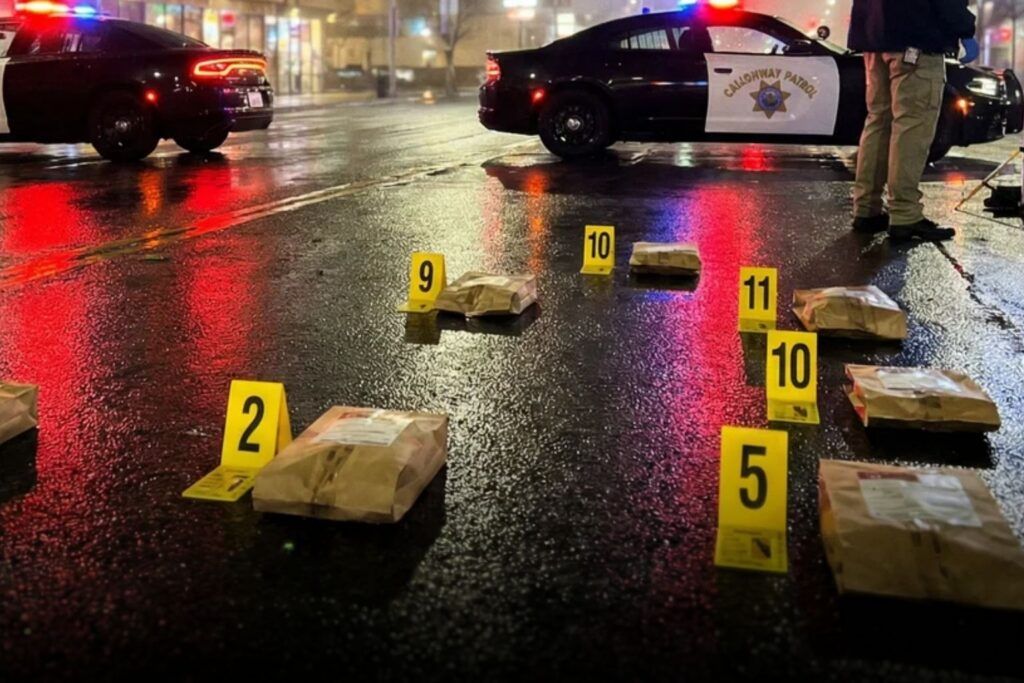
Drug trafficking in Florida is defined under Florida Statutes Section 893.135 as knowingly selling, purchasing, manufacturing, delivering, bringing into the state, or possessing a specified minimum quantity of a controlled substance. The weight thresholds that trigger trafficking charges are surprisingly low, and the mandatory minimum sentences are severe.
Cocaine
Trafficking in cocaine is triggered by possession of 28 grams or more. At 28 to 200 grams, the mandatory minimum is 3 years in prison and a $50,000 fine. At 200 to 400 grams, the mandatory minimum increases to 7 years and a $100,000 fine. At 400 grams to 150 kilograms, the mandatory minimum is 15 years and a $250,000 fine. Possession of 150 kilograms or more is a first-degree felony carrying life imprisonment.
Cannabis (Marijuana)
Trafficking in cannabis is triggered by possession of 25 pounds or more, or 300 or more cannabis plants. At 25 to 2,000 pounds, the mandatory minimum is 3 years in prison and a $25,000 fine. At 2,000 to 10,000 pounds, the mandatory minimum rises to 7 years and a $50,000 fine. At 10,000 pounds or more, the mandatory minimum is 15 years and a $200,000 fine.
Fentanyl and Opioids
Trafficking in fentanyl is triggered by possession of 4 grams or more. Given the extraordinary potency and lethality of fentanyl, Florida has imposed some of its most severe drug trafficking penalties on this substance. A few grams of fentanyl can trigger the same mandatory minimum prison terms that apply to far larger quantities of other drugs. Trafficking in heroin and other opioids follows similar threshold structures, with mandatory minimums starting at 3 years for lower amounts and escalating to 25 years or life for larger quantities.
Methamphetamine and Amphetamine
Trafficking in methamphetamine is triggered at 14 grams or more. At 14 to 28 grams, the mandatory minimum is 3 years and a $50,000 fine. At 28 to 200 grams, the mandatory minimum increases to 7 years and a $100,000 fine. At 200 grams or more, the mandatory minimum is 15 years and a $250,000 fine. Importantly, the weight calculation includes the entire weight of any mixture containing methamphetamine, not just the weight of the pure substance.
Prescription Drugs
Trafficking in prescription opioids such as hydrocodone and oxycodone is triggered at startlingly low thresholds. Possession of as few as 7 grams (which can amount to a handful of pills) can trigger a 3-year mandatory minimum. At higher weight thresholds, the mandatory minimums escalate to 7, 15, and 25 years. These severe penalties for prescription drug trafficking have drawn criticism because they can ensnare individuals struggling with addiction who possess quantities slightly above the personal-use range.
injured? Let Us Help You Get Justice. Free consultation. No fees unless we win your case.
Why Trafficking Charges Are Often Overcharged

One of the most troubling aspects of Florida’s trafficking statute is how frequently it catches individuals who are not, by any reasonable definition, drug traffickers. The statute is entirely weight-based. It does not require evidence of sale, distribution, or any commercial activity. A person who purchases a quantity of drugs for personal use that happens to exceed the trafficking threshold faces the same mandatory minimum prison sentence as someone caught distributing drugs for profit. A person who is holding drugs for a friend, or who is found in constructive possession of drugs in a shared vehicle or residence, can face trafficking charges based on weight alone.
This means that trafficking charges are often overcharged, and an experienced defense attorney can sometimes negotiate with prosecutors to reduce the charge to a lesser offense when the evidence does not support the inference that the defendant was actually engaged in trafficking activity. The difference between a trafficking conviction and a reduced charge can be the difference between a mandatory decade in prison and a sentence that allows for rehabilitation, probation, or treatment.
Why The Rubin Firm for Drug Trafficking Defense
Trafficking charges require a defense attorney who understands both the severity of the penalties and the vulnerabilities in the prosecution’s case. At The Rubin Firm, we approach every trafficking case with the understanding that our client’s freedom depends on the quality of the defense we provide.
Constitutional challenges
We examine every aspect of the search and seizure to determine whether law enforcement violated your Fourth Amendment rights. If the drugs were discovered through an illegal stop, an unconstitutional search, or a defective warrant, the evidence may be suppressed.
Weight challenges
Constructive possession defense
Substantial assistance
Safety valve provisions
In certain federal cases, defendants who meet specific criteria may qualify for relief from mandatory minimums under the federal safety valve provision. We evaluate whether this applies to your case.
Negotiation and plea advocacy
When the evidence supports negotiation, we work with prosecutors to reduce trafficking charges to lesser offenses that do not carry mandatory minimums, preserving the possibility of probation, treatment, or a shorter sentence.
Federal Drug Trafficking vs. State Drug Trafficking
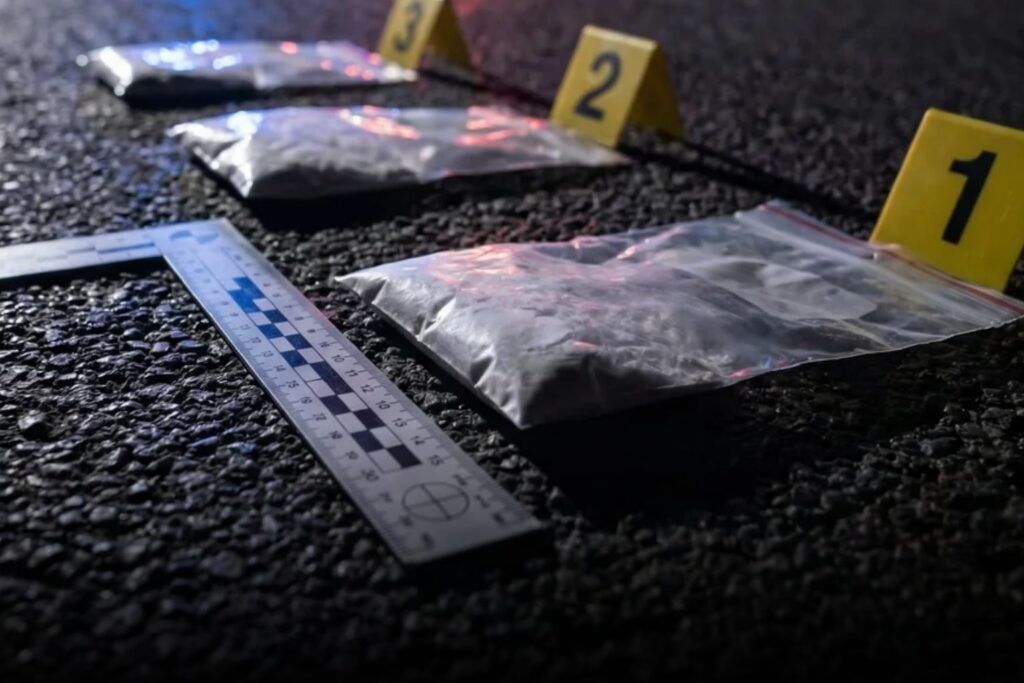
Drug trafficking can be prosecuted under either Florida state law or federal law, and the consequences differ significantly. Federal drug trafficking charges typically arise when the alleged offense involves interstate commerce, large-scale operations, multiple jurisdictions, or investigation by federal agencies such as the DEA or FBI.
Federal mandatory minimums are separate from and often more severe than Florida’s. The federal system does not offer parole. Defendants convicted of federal trafficking offenses must serve at least 85% of their sentence. Federal conspiracy charges can hold individuals liable for the full scope of a drug operation, even if their personal involvement was limited. And federal sentencing guidelines create a structured framework that considers not just the weight of the substance but also the defendant’s criminal history, role in the offense, and other factors that can increase the sentence substantially.
The Rubin Firm defends clients facing trafficking charges in both Florida state court and the United States District Court for the Southern District of Florida. We understand the procedural and substantive differences between the two systems and adjust our defense strategy accordingly.
The Stakes Beyond Prison: Collateral Consequences of Trafficking
A drug trafficking conviction creates devastating consequences beyond the prison sentence itself. Your driver’s license is automatically revoked. Professional licenses issued by the State of Florida, including medical, legal, real estate, and teaching licenses, may be suspended or revoked through emergency proceedings. Your right to possess firearms is permanently forfeited under both state and federal law. Your ability to obtain employment, housing, and educational opportunities is severely compromised. And for non-citizens, a trafficking conviction is an aggravated felony under federal immigration law, virtually guaranteeing deportation.
Steps to Take Immediately After a Trafficking Arrest
Say nothing:
Exercise your absolute right to remain silent. Do not attempt to explain the drugs, minimize your involvement, or provide information to law enforcement without an attorney present.
Request an attorney:
Tell law enforcement clearly and unambiguously that you want an attorney and that you will not answer questions without one. Then stop talking.
Do not consent to searches
If law enforcement has not yet searched your vehicle, home, or person and asks for consent, refuse. Politely state that you do not consent to any search.
Contact The Rubin Firm
Our attorneys can begin evaluating the legality of the search, the accuracy of the weight measurement, and the strength of the prosecution’s case immediately. Call (772) 283-2004
How Law Enforcement Builds Trafficking Cases in Martin County
Understanding how trafficking cases are built helps you understand where the vulnerabilities in the prosecution’s case may lie. Many trafficking arrests in Martin County and along the Treasure Coast result from one of several common scenarios, each of which presents different defense opportunities.
Traffic stops on Interstate 95 and U.S. Route 1 are the single most common origin of trafficking charges in the region. Law enforcement officers stop a vehicle for a traffic violation, real or pretextual, and then attempt to develop a basis to search the vehicle.
They may ask for consent, claim to smell marijuana, bring a drug-detection dog to the scene, or observe something they characterize as suspicious. If a search produces drugs above the trafficking threshold, the driver and sometimes all occupants face trafficking charges. Each step in this sequence presents potential constitutional issues: Was the initial stop valid? Was the detention prolonged beyond a reasonable duration? Was consent truly voluntary? Was the drug dog alert reliable? Was the search within constitutional bounds? A skilled defense attorney challenges every link in this chain.
Confidential informant operations are another common source of trafficking charges. Law enforcement uses informants, often individuals facing their own criminal charges who are cooperating in exchange for leniency, to arrange controlled buys or introduce undercover officers to suspected drug sellers. These operations raise serious reliability and entrapment concerns. Informants have powerful incentives to fabricate or exaggerate, and their testimony must be carefully scrutinized. Entrapment occurs when law enforcement induces a person to commit a crime they would not otherwise have committed, and it is a complete defense to trafficking charges if established.
Search warrants executed at residences, storage units, and commercial properties produce another category of trafficking cases. The validity of the warrant itself is always subject to challenge. Was the affidavit supporting the warrant truthful and complete? Did the warrant describe the place to be searched and the things to be seized with sufficient particularity? Was the warrant executed within the required time frame? Did officers exceed the scope of the warrant during the search? Each of these questions can yield a basis for suppressing the evidence and undermining the trafficking charge.
Package intercepts and mail surveillance represent a growing category of trafficking cases, particularly involving fentanyl, methamphetamine, and marijuana shipped from other states. Federal agencies and the United States Postal Inspection Service work with local law enforcement to identify and intercept suspicious packages. These operations raise Fourth Amendment questions about the interception process, the reliability of drug-detection dogs used on mail, and the chain of custody from interception to laboratory testing. Controlled deliveries, where law enforcement delivers the intercepted package and then arrests the recipient, add additional layers of constitutional and evidentiary issues that an experienced attorney can challenge.
We’re Here To Heil You Recover Compensation For:
- Injury or damages
- Injury & Medical
- Injury or damages
Serving Stuart, Martin County, and the Treasure Coast
The Rubin Firm defends individuals facing drug trafficking charges in Stuart, Palm City, Jensen Beach, Hobe Sound, Indiantown, Port St. Lucie, Fort Pierce, Vero Beach, Jupiter, and throughout Martin County, St. Lucie County, Indian River County, and Palm Beach County. We handle trafficking cases involving cocaine, marijuana, methamphetamine, fentanyl, heroin, prescription opioids, and all other controlled substances at both the state and federal level.
Referral Partnerships for Drug Trafficking Cases
Attorneys who encounter trafficking charges in Martin County trust The Rubin Firm for experienced and aggressive defense. Contact us to discuss a referral.
Frequently Asked Questions About Drug Trafficking Charges in Stuart
Do I have to be selling drugs to be charged with trafficking?
No. Florida’s trafficking statute is entirely weight-based. Possessing a quantity of a controlled substance above the statutory threshold triggers trafficking charges regardless of whether you intended to sell, distribute, or use the substance personally.
What are mandatory minimum sentences?
Mandatory minimums are prison sentences that the judge must impose upon conviction. The judge has no discretion to impose a shorter sentence, regardless of mitigating circumstances. Florida’s trafficking mandatory minimums range from 3 years to 25 years or life, depending on the substance and quantity.
Can mandatory minimums be avoided?
In limited circumstances, yes. Substantial assistance to law enforcement, successful suppression of evidence leading to charge reduction, negotiation of charges below the trafficking threshold, and in federal cases, the safety valve provision may allow a sentence below the mandatory minimum. Each option has significant implications that should be discussed thoroughly with your attorney.
What is constructive possession?
Constructive possession means drugs were found in a place you had access to or control over, such as your vehicle, home, or workplace. The prosecution must prove you knew the drugs were present and could exercise control over them. Simply being present where drugs are found does not prove constructive possession.
How quickly should I contact an attorney after a trafficking arrest?
Immediately. Do not answer any questions, do not consent to any searches, and do not make any statements to anyone other than your attorney. The earlier we are involved, the more effectively we can challenge the evidence, protect your rights, and influence the trajectory of your case.
$150 Million
Facing Trafficking Charges? Every Hour Counts.
Drug trafficking charges carry mandatory prison sentences that cannot be negotiated away after conviction. The time to fight is now, before conviction, when an aggressive defense can challenge the evidence, the legality of the search, and the prosecution’s ability to prove its case. The Stuart drug trafficking lawyers at The Rubin Firm provide the defense these cases demand.
Call (772) 283-2004 now for a confidential consultation. Complete our contact form or chat live. Do not wait.
 4.9 Rating on