

That waterway traffic generates boating accidents that cause serious injuries and raise legal questions far more complex than a typical car crash on land. Boating accident cases can involve overlapping state and federal maritime laws, multiple potentially liable parties, and the complicating reality that Florida does not require recreational boat owners to carry insurance. A Stuart boat accident lawyer at The Rubin Firm represents injured boaters, passengers, swimmers, and waterway workers throughout Martin County, combining personal injury litigation experience with an understanding of the maritime legal framework that governs accidents on the water.
Whether your injury happened on the St. Lucie River, the Intracoastal Waterway, the open Atlantic, or a Martin County lake, the attorneys at The Rubin Firm can evaluate your case. Call (772) 283-2004, fill out our contact form, or chat live. Consultations are free.
Boating on the Treasure Coast: Why Accidents Are More Common Than People Think
Florida leads the nation in recreational boating accidents and boating fatalities. The Florida Fish and Wildlife Conservation Commission (FWC) reports hundreds of boating accidents across the state each year, and Martin County’s busy waterways contribute to those numbers. The area draws anglers, pleasure cruisers, jet ski riders, sailboaters, kayakers, and commercial vessel operators year-round, and the sheer volume of boat traffic on relatively narrow waterways creates conditions where collisions, groundings, and other accidents are a persistent reality.
What makes boating accidents particularly dangerous is the combination of speed, water, and the absence of protective structures. Unlike car accidents, where occupants have seatbelts, airbags, and a metal frame surrounding them, boating accidents can throw occupants into the water, expose them to spinning propellers, or leave them stranded far from medical care. Drowning, near-drowning, and hypothermia add dimensions of danger that simply do not exist on land. And because emergency medical response on the water takes longer than on a road, injuries that might be survivable with rapid treatment can become fatal when the accident occurs miles from shore.
The legal landscape compounds the difficulty. Florida does not require recreational boat owners to carry bodily injury liability insurance, which means the person who caused your accident may have no insurance at all. Maritime law may apply depending on where the accident occurred, potentially placing the case in federal court under an entirely different set of legal rules. These layers of complexity demand an attorney who understands how state personal injury law, federal maritime law, and insurance coverage intersect in boating accident claims.
What Sets The Rubin Firm Apart in Boating Accident Cases
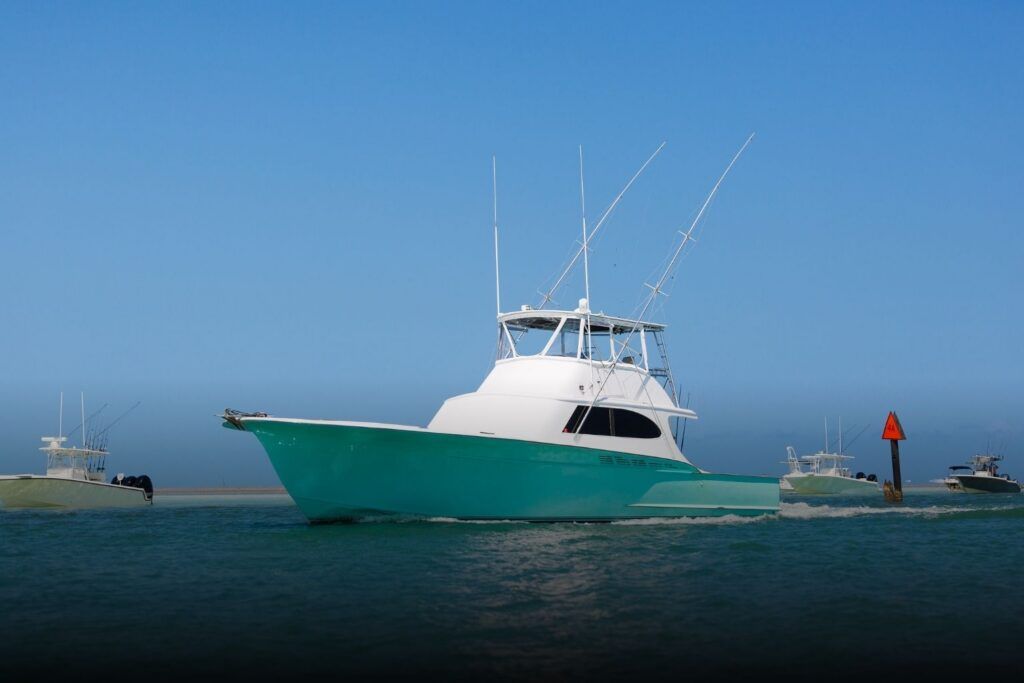
Most personal injury firms handle boating accidents the same way they handle car crashes. They send a demand to an insurance company and hope for a settlement. That approach misses the unique challenges that make boating cases different and often leaves significant compensation on the table.
Maritime law expertise
Multiple party investigation
No-insurance strategies
Local waterway knowledge
Contingency fee
injured? Let Us Help You Get Justice. Free consultation. No fees unless we win your case.
What Causes Boating Accidents in Stuart and Martin County?
Rental and charter company negligence:
Companies that rent boats or jet skis to tourists without providing adequate instruction, safety equipment, or vessel maintenance bear responsibility when accidents result.
Wake damage:
Large wakes from fast-moving vessels can capsize smaller boats, throw passengers overboard, or cause collisions when boats are caught off guard.
Operator inexperience is the single most frequently cited factor in Florida boating accidents. Unlike driving a car, which requires a license and a demonstrated proficiency test, Florida does not require adults over 21 to complete any boating safety course or obtain any license before operating a vessel. A person can buy a 30-foot center console with twin outboard engines and take it out on the St. Lucie Inlet on the same day without ever having operated a boat before. The consequences of that regulatory gap show up in accident statistics every year.
Boating under the influence represents another persistent danger. Alcohol impairs judgment, coordination, and reaction time on the water just as it does on land, and the effects are often amplified by sun, heat, wind, and the motion of the vessel. Under Florida Statutes Section 327.35, it is illegal to operate a vessel while under the influence of alcohol or drugs, with the same 0.08% BAC threshold that applies to motor vehicles. FWC data consistently identifies alcohol as one of the top contributing factors in fatal boating crashes.
Speed compounds every other risk factor on the water. Unlike roads, waterways do not have lane markings, traffic lights, or stop signs at every intersection. Boats approaching each other from different directions at high speed may have only seconds to react, and the lack of brakes means a vessel cannot stop quickly the way a car can. Excessive speed in congested waterways, near docks and marinas, or in poor-visibility conditions creates scenarios where catastrophic collisions become almost inevitable.
Navigation rule violations:
Failure to maintain a proper lookout, operating on the wrong side of a channel, failing to yield right of way, and ignoring posted no-wake and slow-speed zones.
Equipment failure:
Engine malfunctions, steering system failures, and electrical problems that leave the vessel disabled or uncontrollable in dangerous conditions.
Propeller strikes:
Among the most gruesome boating injuries. Swimmers, divers, fallen passengers, and people near docks are struck by spinning propellers, causing deep lacerations, amputations, and fatal injuries.
The Unique Dangers of Boating Injuries
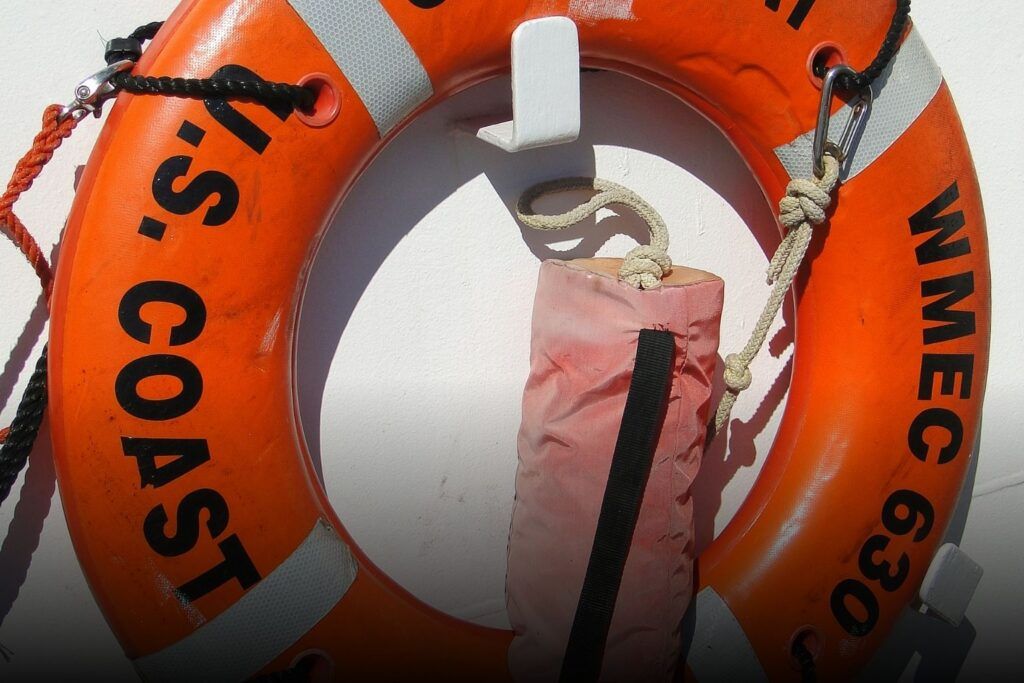
Water introduces injury risks that land-based accidents never present. Drowning is the most obvious, but it is far from the only water-specific danger. Near-drowning victims who are rescued alive can suffer permanent brain damage from oxygen deprivation that occurred during even brief submersion. Hypothermia can set in faster than most people realize, even in Florida’s relatively warm waters, especially at night or during winter months. And propeller strikes produce injuries so severe and so distinctive that they occupy their own category in trauma medicine.
Drowning and near-drowning
Propeller injuries
Traumatic brain injuries
Spinal cord injuries
Fractures
Emotional and psychological trauma
Florida Boating Laws, Maritime Law, and Liability
Boating accident liability in Florida operates under a framework that can involve multiple overlapping legal systems. State personal injury law, governed by Florida Statutes Chapter 327, applies to most recreational boating accidents on Florida’s internal waterways. But when an accident occurs in navigable waters with a connection to interstate or international commerce, federal maritime law may govern some or all of the claims. The jurisdictional determination affects which court hears the case, which legal standards apply, and which remedies are available.
Florida’s dangerous instrumentality doctrine is particularly important in boating cases. Under this doctrine, the owner of a vessel can be held vicariously liable for injuries caused by someone else operating their boat with the owner’s permission. This means that even if the negligent operator has no insurance and no assets, the boat owner may be responsible for damages, and the owner’s homeowners’ or umbrella insurance policy may provide coverage.
Rental and charter companies face liability when they provide vessels to inexperienced operators without adequate instruction, fail to maintain their fleet, or rent out equipment that is not seaworthy. Their commercial insurance policies typically provide substantial coverage, making them important targets in any boating accident claim.
Compensation in Stuart Boating Accident Cases
Because Florida does not mandate boating insurance, the path to compensation in a boating accident case requires more creativity and tenacity than a typical car crash claim. A boat accident attorney in Stuart at The Rubin Firm identifies and pursues every available source of recovery.
Medical expenses
Lost wages and earning capacity
Pain and suffering
Property damage
Wrongful death damages
What to Do After a Boating Accident in Stuart
Ensure safety:
Account for all passengers, assist anyone in the water, and move to a safe location if possible.
Preserve the vessel
Call for help:
Document everything
Report the accident:
Contact The Rubin Firm
Seek medical attention:
Time Limits for Boating Accident Claims in Florida
The deadline for filing a boating accident claim depends on which legal framework governs your case. Florida personal injury claims generally carry a two-year statute of limitations from the date of the accident. Federal maritime personal injury claims provide a three-year window. Wrongful death claims may operate on different timelines under each system, and determining which applies to your specific situation requires legal analysis by an experienced attorney.
Beyond the formal filing deadline, practical considerations make early attorney involvement even more critical. Evidence in boating cases degrades rapidly. GPS data from marine electronics may be overwritten. Rental company records and maintenance logs may be discarded according to routine retention schedules. Physical conditions at the accident scene change with tides, weather, and ongoing waterway traffic. Witness memories of what happened on the water fade quickly. The Rubin Firm sends evidence preservation demands immediately upon taking a case and begins investigation before any of this critical evidence can be lost.
We’re Here To Heil You Recover Compensation For:
- Injury or damages
- Injury & Medical
- Injury or damages
Representing Boating Accident Victims Across the Treasure Coast
The Rubin Firm represents boating accident victims throughout Stuart, the St. Lucie River, the Indian River Lagoon, the St. Lucie Inlet, Jupiter Inlet, Port St. Lucie, Fort Pierce, Vero Beach, and coastal and inland waterway communities across Martin County, St. Lucie County, Indian River County, and Palm Beach County. Whether your accident happened on a river, a lagoon, a lake, the Intracoastal Waterway, or the open Atlantic, we have the experience to handle your claim.
Referral Partnerships for Maritime and Boating Injury Cases
Attorneys who encounter boating accident cases involving maritime jurisdiction, complex multi-party liability, or absence of insurance coverage trust The Rubin Firm as a referral partner. If you have a client who needs experienced counsel for a boating injury case on the Treasure Coast, contact us to discuss a referral.
Frequently Asked Questions About Stuart Boating Accidents
Does Florida require boat owners to carry insurance?
No. Unlike motor vehicles, Florida does not require recreational boat owners to carry bodily injury liability insurance. This means the person who caused your accident may have no insurance at all. Recovery may come from the operator’s personal assets, their homeowners’ or umbrella insurance policies, commercial policies when a rental or charter company is involved, or your own uninsured boater coverage.
What laws apply to a boating accident in Stuart?
Depending on where the accident occurred and the circumstances involved, Florida state negligence law, federal maritime law, Coast Guard regulations, and FWC rules may all apply. The jurisdictional analysis determines which court hears the case, which legal standards govern liability, and which remedies are available to the injured victim.
Who can be held liable for a boating accident?
Potentially liable parties include the boat operator for negligent operation, the boat owner under Florida’s dangerous instrumentality doctrine, rental and charter companies for providing unsafe vessels or inadequate instruction, marina operators for unsafe docking conditions, maintenance providers for defective repairs, and boat or parts manufacturers for design or manufacturing defects.
How long do I have to file a boating accident claim in Florida?
The deadline depends on whether state or federal law governs your claim. Florida personal injury claims generally have a two-year statute of limitations. Federal maritime personal injury claims generally carry a three-year statute of limitations. Wrongful death claims may have different deadlines under each system. Determining which framework applies requires legal analysis that should be done promptly.
Can I sue for a jet ski or personal watercraft accident?
Yes. Jet ski and personal watercraft accidents are treated similarly to other boating accidents under Florida law. Operators owe a duty of care to other waterway users, and negligent jet ski operators can be held liable for the injuries they cause. Rental companies that provide jet skis to inexperienced riders without proper instruction or safety equipment may also bear liability.
$150 Million
Injured on the Water? The Rubin Firm Fights for You.
Boating accident cases demand an attorney who understands both personal injury law and the maritime legal framework. The Stuart boat accident lawyers at The Rubin Firm bring that knowledge to every case we handle, fighting for full and fair compensation no matter how complex the claim may be.
Call (772) 283-2004 for a free consultation. Complete our contact form or chat live on our website. There is no fee unless we win.
 4.9 Rating on