
Or perhaps you have received a cease-and-desist letter accusing you of infringing someone else’s trademark, and you need to determine whether the accusation has merit and how to respond without exposing yourself to a federal lawsuit. Trademark disputes arise at the intersection of brand identity and commercial competition, and they require an attorney who understands both the legal framework that governs these claims and the business realities that drive them. A Florida trademark dispute lawyer at The Rubin Firm represents trademark owners enforcing their rights and businesses defending against infringement allegations, in federal court, before the Trademark Trial and Appeal Board (TTAB), and through strategic negotiation that resolves disputes efficiently when litigation is not the optimal path.
Protect your brand. Call The Rubin Firm at (772) 283-2004, complete our contact form, or start a live chat.
Trademark Infringement Under the Lanham Act
Federal trademark infringement claims are governed by the Lanham Act (15 U.S.C. Sections 1051 through 1129), which provides the legal framework for trademark protection, registration, and enforcement in the United States. To establish a claim for trademark infringement under the Lanham Act, the plaintiff must prove two elements: first, that the plaintiff owns a valid, legally protectable trademark, and second, that the defendant’s use of a mark in commerce creates a likelihood of consumer confusion as to the source, sponsorship, or affiliation of the goods or services.
The first element, a valid and protectable mark, can be established through federal registration with the USPTO, which creates a legal presumption of validity, or through common law rights established by continuous use of the mark in commerce. Registered marks enjoy significant advantages in litigation, including nationwide constructive notice of the owner’s claim and the ability to recover enhanced damages and attorney fees in exceptional cases. Unregistered marks can also be enforced under Section 43(a) of the Lanham Act, but the plaintiff bears a heavier burden in proving the mark’s validity and the geographic scope of protection.
The Likelihood of Confusion Analysis

The central question in most trademark infringement cases is whether the defendant’s mark creates a likelihood of confusion among consumers. Courts in the Eleventh Circuit, which includes Florida, evaluate likelihood of confusion using a multi-factor test that examines the totality of the circumstances. While no single factor is dispositive, the analysis considers the following elements:
Strength of the plaintiff's mark
Similarity of the marks
Similarity of goods and services
Similarity of sales channels
Similarity of advertising methods
Intent of the alleged infringer
Actual confusion
injured? Let Us Help You Get Justice. Free consultation. No fees unless we win your case.
Types of Trademark Disputes
Cybersquatting and Domain Name Disputes
Cybersquatting occurs when a person registers a domain name that incorporates another’s trademark with the bad-faith intent to profit from the mark’s goodwill. The Anticybersquatting Consumer Protection Act (ACPA) provides federal remedies including transfer or cancellation of the domain name and monetary damages. The Uniform Domain Name Dispute Resolution Policy (UDRP) provides an alternative, faster administrative process for resolving domain name disputes through WIPO or other approved dispute resolution providers.
Direct Infringement
Direct infringement occurs when a competitor uses a mark that is identical or confusingly similar to yours in connection with related goods or services. This is the most straightforward type of trademark dispute, and it often arises when a new business enters a market using a name or logo that closely resembles an established brand. Direct infringement cases require analysis of the likelihood of confusion factors and can result in injunctive relief, monetary damages, and the destruction of infringing materials.
Trademark Dilution
Dilution claims protect famous marks from uses that diminish the mark’s distinctiveness (dilution by blurring) or harm its reputation (dilution by tarnishment), even when there is no likelihood of consumer confusion. Dilution claims are available under the federal Trademark Dilution Revision Act and Florida’s state dilution statute. These claims are limited to marks that have achieved widespread consumer recognition and fame, but for qualifying marks, dilution provides an additional layer of protection that extends beyond the traditional likelihood of confusion analysis.
Counterfeiting
Counterfeiting involves the intentional use of a spurious mark that is identical or substantially indistinguishable from a registered trademark. Counterfeiting is the most egregious form of trademark infringement, and the Lanham Act provides enhanced remedies including treble damages, statutory damages of up to $2 million per counterfeit mark (or $200,000 per mark for non-willful counterfeiting), and attorney fees. Customs recordation of registered marks provides additional protection by allowing U.S. Customs and Border Protection to seize counterfeit goods at the border.
TTAB Proceedings: Opposition and Cancellation
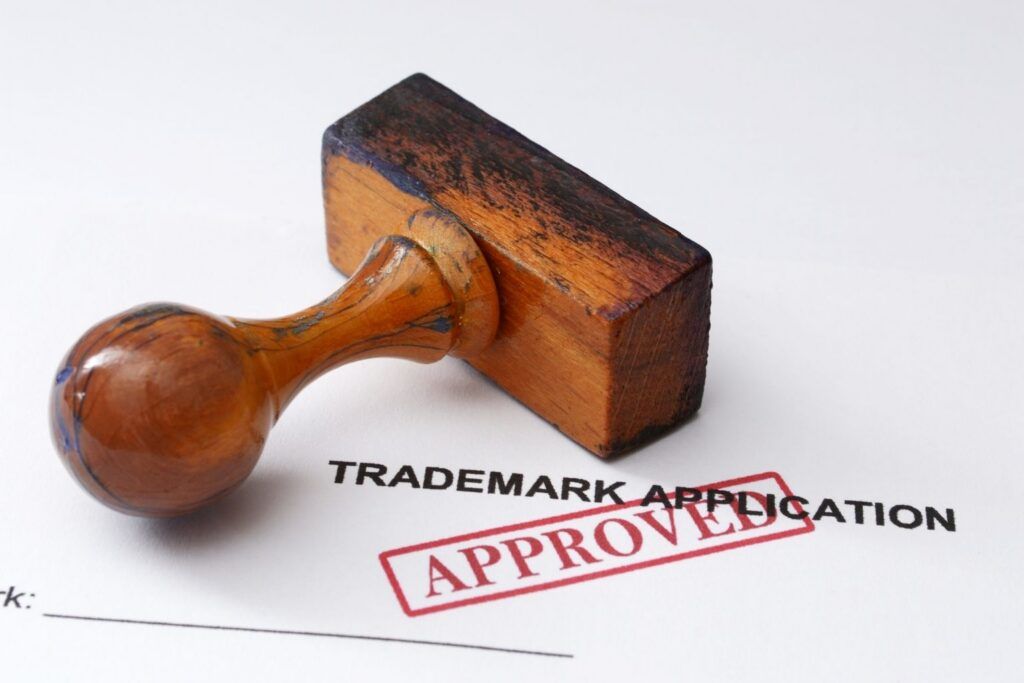
The Trademark Trial and Appeal Board (TTAB) is an administrative body within the USPTO that adjudicates disputes over the right to register trademarks. Two primary types of proceedings occur before the TTAB: opposition proceedings, filed by a third party who opposes the registration of a pending trademark application, and cancellation proceedings, filed to cancel an existing trademark registration.
Opposition proceedings must be filed within 30 days of the mark’s publication in the Official Gazette (extensions of time are available). Cancellation proceedings can be filed at any time, though the grounds for cancellation narrow after the registration has been in effect for five years. TTAB proceedings follow litigation-style procedures including discovery, testimony periods, and briefing, but they are generally less expensive and faster than federal court litigation. The TTAB can grant or deny registration but cannot award monetary damages, so parties seeking damages must pursue their claims in federal court.
The Rubin Firm represents clients in both offensive and defensive TTAB proceedings, filing oppositions to block confusing marks from registration and defending our clients’ applications against opposition by existing mark owners.
Why The Rubin Firm for Trademark Disputes
Strategic enforcement
Likelihood of confusion analysis
Cease-and-desist response
Federal court litigation
TTAB representation
Settlement and coexistence
Remedies Available in Trademark Disputes

The Lanham Act provides a comprehensive set of remedies for trademark infringement that aim to stop the infringing conduct, compensate the trademark owner for harm suffered, and deter future infringement.
- Injunctive relief: Courts can issue preliminary and permanent injunctions ordering the defendant to cease using the infringing mark. Injunctive relief is often the most important remedy because it stops the ongoing harm to the trademark owner’s brand.
- Defendant’s profits: The plaintiff may recover the profits the defendant earned from the infringing use of the mark, on the theory that those profits were unjustly earned through misappropriation of the plaintiff’s goodwill.
- Actual damages: The plaintiff may recover its own lost profits that it can prove with reasonable certainty resulted from the defendant’s infringement.
- Attorney fees: In exceptional cases, the prevailing party may recover reasonable attorney fees. Courts consider factors including the willfulness of the infringement, the strength of the case, and the conduct of the parties.
- Destruction of infringing materials: Courts may order the destruction of labels, signs, packaging, and other materials bearing the infringing mark.
Defending Against Trademark Infringement Claims
Not every cease-and-desist letter represents a legitimate infringement claim, and not every trademark dispute should result in the accused party abandoning their mark. Trademark infringement defense strategies include challenging the validity or strength of the plaintiff’s mark, demonstrating that there is no likelihood of confusion between the marks, asserting fair use defenses (both descriptive fair use and nominative fair use), establishing priority of use, arguing that the marks are used in connection with unrelated goods or services in different markets, and presenting evidence that the plaintiff’s claims are barred by laches, acquiescence, or unclean hands.
The Rubin Firm evaluates every infringement accusation on its merits, provides our clients with a candid assessment of the legal risk, and develops a defense strategy that protects their business interests. When the accusation lacks merit, we defend vigorously. When the risk is real, we negotiate solutions that minimize the disruption to our client’s business.
Steps to Take When a Trademark Dispute Arises
Preserve all evidence:
Save communications, marketing materials, sales records, customer complaints, and any other evidence relevant to the dispute.
Do not make public statements:
Do not ignore cease-and-desist letters:
Contact The Rubin Firm:
Trademark Disputes in the Digital Marketplace
The digital marketplace has created new categories of trademark disputes that did not exist a generation ago. Search engine advertising, where competitors bid on a trademark owner’s brand name as a keyword to trigger their own advertisements, raises questions about whether this constitutes trademark use and whether it creates a likelihood of confusion. Social media platforms enable rapid brand imitation through counterfeit accounts, unauthorized fan pages, and influencer marketing that uses trademarks without authorization. E-commerce marketplaces like Amazon, eBay, and Etsy host millions of third-party sellers, some of whom use trademark-protected brand names to sell competing or counterfeit products.
Enforcing trademark rights in the digital environment requires a combination of traditional legal tools and platform-specific mechanisms. The Rubin Firm uses DMCA takedown procedures, platform brand registry programs, UDRP proceedings for domain name disputes, and direct enforcement through cease-and-desist communications and federal litigation to protect our clients’ marks across the digital landscape. We also advise clients on proactive digital brand protection strategies, including monitoring services that alert trademark owners to potential infringement on social media, e-commerce platforms, and new domain name registrations.
The Business Impact of Unresolved Trademark Disputes
Trademark disputes that are not addressed promptly can cause escalating harm to the trademark owner’s business. Consumer confusion diverts sales to the infringer. The trademark’s distinctiveness erodes as consumers begin to associate the mark with multiple sources rather than a single source. Brand reputation suffers when the infringer provides inferior goods or services under a similar mark. And the legal doctrine of laches, which penalizes trademark owners who unreasonably delay enforcement, can weaken or even bar an infringement claim if the owner waits too long to take action.
Conversely, businesses that receive cease-and-desist letters or infringement accusations face their own set of urgent concerns. The accused business may need to rebrand, which involves significant cost and disruption. It may face financial liability for damages if infringement is proven. And the uncertainty of an unresolved dispute can affect investor confidence, partnership opportunities, and strategic planning. Whether you are enforcing or defending, resolving trademark disputes promptly and strategically is essential to minimizing business disruption and protecting your market position. The Rubin Firm approaches every trademark dispute with the dual objectives of achieving the best legal outcome and minimizing the impact on our client’s business operations.
We’re Here To Heil You Recover Compensation For:
- Injury or damages
- Injury & Medical
- Injury or damages
Serving Clients Throughout Florida
The Rubin Firm represents clients in trademark disputes throughout Florida. We handle cease-and-desist matters, TTAB proceedings, and federal court litigation in the Southern, Middle, and Northern Districts of Florida.
Referral Partnerships for Trademark Disputes
Attorneys who encounter trademark issues in their business or litigation practice trust The Rubin Firm. Contact us to discuss a referral.
Frequently Asked Questions About Trademark Disputes
What is the most important factor in a trademark infringement case?
While all factors in the likelihood of confusion analysis are considered, the similarity of the marks and the relatedness of the goods or services are typically the most significant. Evidence of actual consumer confusion, when available, is the strongest proof of infringement.
Can I enforce an unregistered trademark?
Yes. Common law trademark rights arise from continuous use of a mark in commerce, and unregistered marks can be enforced under Section 43(a) of the Lanham Act. However, registered marks enjoy significant advantages including nationwide priority, a presumption of validity, and access to enhanced remedies.
What should I do if I receive a cease-and-desist letter?
Do not ignore it. Consult with a trademark attorney to evaluate the merits of the claim, assess your legal risk, and determine the best response. Options may include negotiation, a coexistence agreement, modification of your mark, or a defense of your right to use the mark.
How long do TTAB proceedings take?
TTAB proceedings typically take 12 to 24 months to reach a final decision, depending on the complexity of the case and the cooperation of the parties. Discovery, testimony, and briefing periods are structured by the TTAB’s scheduling order.
Can I recover money damages in a trademark dispute?
Yes. The Lanham Act allows recovery of the defendant’s profits, the plaintiff’s actual damages, and in exceptional cases, attorney fees. For counterfeiting, statutory damages of up to $2 million per mark are available. TTAB proceedings, however, can only grant or deny registration and cannot award monetary damages.
$150 Million
Your Brand Is Under Threat. Defend It Strategically.
Trademark disputes require attorneys who understand both the legal framework and the business stakes. The Florida trademark dispute lawyers at The Rubin Firm enforce and defend trademark rights with strategic precision.
Call (772) 283-2004. Complete our form or chat live.
 4.9 Rating on