

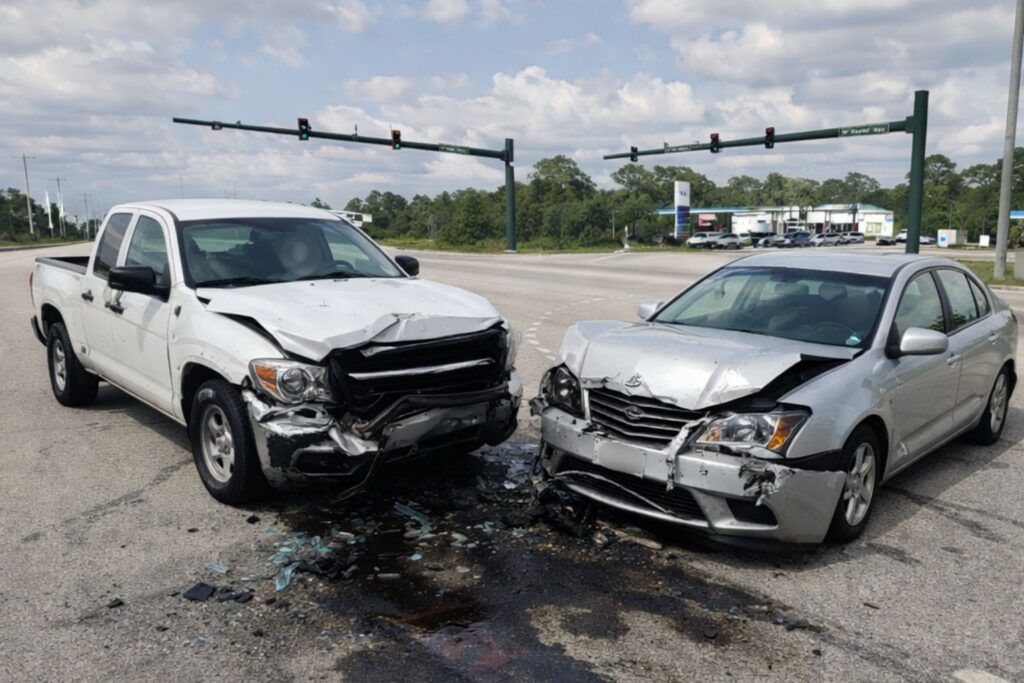
Misinformation about auto accident claims doesn’t just appear out of thin air. It comes from well-meaning friends who experienced something similar years ago, from insurance company messaging designed to influence how injured individuals perceive their options before speaking with anyone, and from the general cultural perception of personal injury, which makes the entire topic seem murkier and more adversarial than necessary. On the Treasure Coast, where US-1 through Stuart, Kanner Highway, and I-95 near Port St. Lucie consistently generate serious crashes every year, the myths about auto accident claims have real financial consequences for those who believe them. Someone who believes their injuries aren’t serious enough to warrant legal representation may leave tens of thousands of dollars in legitimate compensation unclaimed. Someone who believes the insurance company will treat them fairly if they’re honest and cooperative may find out too late that, in the claims process, cooperation without representation is not a virtue; it’s a vulnerability. Someone who waits too long because they think they have years to decide may find that the most crucial evidence has been overwritten, discarded, or altered. This post is about the myths that cost Florida auto accident victims the most and the reality that can help them regain their footing.
If you were injured in a car accident on the Treasure Coast or anywhere in Florida, The Rubin Firm is here to help. Call (772) 283-2004, fill out our contact form, or use live chat to speak with our team today.
Key Takeaways
- Many myths about auto accident claims originate with or benefit the insurance industry. Understanding these myths protects injured people from making decisions that benefit the other side.
- Florida’s no-fault personal injury protection (PIP) system is often misinterpreted, causing injured individuals to underestimate their obligations and options.
- The shift to modified comparative fault in Florida in March 2023 changed the legal landscape for auto accident claims in ways that most injured people are unaware of.
- Serious injuries from auto accidents often have delayed symptom onset, making the myth that you would immediately know if you were hurt particularly dangerous.
- An auto accident lawyer can set the record straight on all of these myths and provide injured people with an accurate estimate of their claim’s value.
Myth One: If You Feel Fine After the Crash, You’re Fine
Many serious injuries sustained in car accidents, including traumatic brain injuries, spinal cord damage, and internal bleeding, don’t produce obvious symptoms immediately after the crash.
This myth poses the greatest immediate physical danger, and it’s also one of the most biologically understandable. The human stress response to a traumatic event releases adrenaline and cortisol, which suppress pain signaling and create a temporary sense of functional stability unrelated to actual physical condition. A crash victim who walks away from a serious car accident feeling relatively uninjured may have a concussion, a herniated disc, internal organ damage, or soft tissue injuries in the cervical spine that won’t manifest for hours or days.
The legal consequences of this myth compound the physical ones. Florida’s no-fault PIP system requires crash victims to seek medical treatment within fourteen days of the crash to maintain eligibility for benefits. Furthermore, a delay between the crash and the first medical visit is one of the most reliable tools that insurance adjusters use to argue that the injuries were not caused by the crash or were not serious enough to require immediate attention. Therefore, seeking a medical evaluation on the day of the crash is not an overreaction, even when you feel functional. It’s the medically and legally correct response to a significant auto accident.
Myth Two: The Insurance Company Will Be Fair If You’re Honest With Them
Insurance companies are businesses whose financial interests oppose those of injured claimants. Their adjusters are trained professionals whose job is to resolve claims for the least amount possible.
Perhaps the most costly myth circulating among auto accident victims in Florida is that insurance adjusters are neutral parties conducting an objective investigation. This myth leads people to make decisions that systematically reduce the value of their claims before they fully understand what those claims are worth, such as giving recorded statements, providing unrestricted access to medical records, and accepting early offers.
Insurance adjusters aren’t neutral parties conducting an objective investigation. They’re employees of a company whose profitability depends on minimizing claim payouts. They receive specific training on how to accomplish this goal during the post-crash period, when injured people are most vulnerable and least informed. The questions they ask during recorded statements are designed to elicit answers that minimize fault and damages. The early settlement offers they make are calculated before the full medical picture is known because settling early and cheaply is in the company’s interest.
Being honest with your attorney is essential. However, being cooperative with the at-fault driver’s insurance company without legal representation is a different matter entirely. From the moment they are retained, an auto accident lawyer takes over all communications with insurance carriers, which eliminates the risk that a well-intentioned statement becomes evidence used against you.
Myth Three: Minor Crashes Don’t Produce Serious Injuries
The severity of vehicle damage in a car accident isn’t a reliable predictor of injury severity to occupants, and low-speed crashes often result in significant soft tissue and neurological injuries.
Insurance companies actively promote this myth because it provides a basis for disputing injury claims in crashes where the vehicle damage appears modest. The biomechanical reality is more complicated. In low-speed rear-end collisions, the bumper system absorbs impact energy through elastic deformation; the structure rebounds rather than crumpling. Instead of being absorbed by the vehicle, the energy transfers directly to the occupants, producing cervical spine movement that can cause clinically significant whiplash injuries at speeds as low as five to ten miles per hour.
Research published in peer-reviewed biomechanics literature has documented serious soft tissue injuries in crashes involving minimal vehicle damage. Florida courts have considered this evidence in auto accident litigation for decades. An insurance company that points to a small dent as evidence that no real injury could have occurred contradicts the science. An experienced auto accident lawyer knows how to counter this argument with clinical and biomechanical evidence that accurately reflects the relationship between crash forces and human injury.
Myth Four: You Have Plenty of Time to Decide Whether to File a Claim
Following legislative changes effective March 2023, Florida’s statute of limitations for auto accident personal injury claims is now two years from the date of the crash. However, the evidence most critical to a strong claim deteriorates far faster than that deadline.
The shift from a four-year to a two-year statute of limitations for negligence claims in Florida, which was part of the broader tort reform legislation enacted in March 2023, cut the available time for filing auto accident lawsuits in half. Many Florida residents still assume they have several years to decide, creating a real risk of claims being time-barred before injured people realize the deadline has passed.
More practically, the two-year limitations period dramatically overestimates the time available for building an effective claim. Surveillance footage from intersections, businesses, and traffic cameras is typically overwritten within thirty to ninety days. Witness memories fade, and witnesses become harder to locate with every passing month. Physical evidence at crash scenes disappears almost immediately. Electronic vehicle data may be overwritten when a vehicle is repaired. A claim built thirty days after a crash is significantly stronger than a claim built eighteen months later, regardless of where either falls within the limitations period.
Contacting an auto accident lawyer promptly after a crash isn’t about rushing into litigation. It’s about ensuring the evidence supporting the claim is preserved while it’s still accessible.
Myth Five: Florida's No-Fault System Means You Cannot Sue the At-Fault Driver
Florida’s no-fault personal injury protection (PIP) system limits immediate claims to your own insurance for minor injuries. However, it doesn’t prevent injured drivers from pursuing claims directly against the at-fault driver when injuries meet the serious injury threshold.
Unfortunately, this myth leads many seriously injured Florida auto accident victims to accept PIP benefits and forfeit substantial additional compensation to which they’re legally entitled. The no-fault system requires your PIP coverage to pay for a portion of your initial medical expenses and lost wages, regardless of fault. However, it doesn’t limit your total compensation if your injuries are serious.
According to Florida Statute Section 627.737, an injured driver can step outside the no-fault system and pursue a direct claim against the at-fault driver for pain and suffering, emotional distress, loss of enjoyment of life, and economic damages beyond what PIP covers when the serious injury threshold is met. This threshold is met when there is significant and permanent loss of an important bodily function, permanent injury with a reasonable degree of medical probability, significant and permanent scarring or disfigurement, or death.
In practice, injuries sustained in moderate to serious car accidents on Treasure Coast roads often meet this threshold. An auto accident lawyer can evaluate whether your injuries meet the statutory requirements and determine the value of a claim against the at-fault driver in your situation.
Myth Six: Hiring a Lawyer Will Cost More Than It’s Worth
Auto accident lawyers in Florida typically handle personal injury cases on a contingency fee basis. This means that clients don’t pay any upfront costs or legal fees unless they receive compensation.
The belief that this isn’t the case prevents more injured people from getting legal representation than almost anything else, and it benefits no one except insurance companies, who prefer to negotiate with unrepresented claimants. With contingency fee representation, an auto accident lawyer is paid a percentage of what they recover for you, nothing more, nothing less. If they recover nothing, you pay nothing. If they recover compensation, their fee comes from that recovery, not your pocket.
The practical question isn’t whether you can afford a lawyer. Rather, it’s whether you can afford not to have one. Studies of personal injury claim outcomes consistently show that represented claimants receive significantly higher settlements than unrepresented ones, even after accounting for attorney fees. Typically, the difference between what an insurance company offers an unrepresented claimant and the value of a claim fully developed by an experienced auto accident lawyer is far larger than the attorney’s fee.
Myth Seven: If You Were Partially at Fault, You Have No Claim
Under Florida’s modified comparative fault system, an injured driver may still receive compensation as long as they’re not more than fifty percent at fault. The amount of compensation is reduced proportionally to their percentage of responsibility.
In March 2023, Florida shifted from pure comparative fault to modified comparative fault. Modified comparative fault eliminated recovery regardless of fault percentage, but it did not eliminate recovery for partially at-fault drivers. For example, an injured driver found twenty percent responsible for a crash that caused one hundred thousand dollars in damages would recover eighty thousand dollars. It is the fault determination, not the fact of partial fault itself, that determines the outcome.
Insurance companies strategically use the modified comparative fault framework by arguing inflated fault percentages against injured claimants, knowing that assigning more than fifty percent fault eliminates recovery entirely. An auto accident lawyer can challenge these inflated percentages through independent investigation, expert analysis, and thorough presentation of evidence accurately reflecting each party’s contribution to the crash.
The Truth About Your Claim Is Worth Knowing. Call us now for help!

The myths that circulate about auto accident claims aren’t harmless misunderstandings. These beliefs lead injured people to miss out on money, make decisions that benefit the insurance industry rather than themselves, and lose the opportunity to pursue the compensation they were legally entitled to from the moment the crash occurred. The Rubin Firm represents auto accident victims in Stuart, Palm City, Jensen Beach, Hobe Sound, Port St. Lucie, Fort Pierce, and Vero Beach. The firm gives every client an accurate picture of what their claim is actually worth and fights for every dollar of that value against insurance companies and defense teams that would prefer clients never find out.
Call (772) 283-2004, fill out our contact form, or use live chat to speak with our team today.
Disclaimer: This blog post is intended for general informational and educational purposes only and does not constitute legal advice. Every case is different. You should not act or refrain from acting on the basis of this content without consulting a licensed attorney. Florida statutes and legal standards referenced reflect the law as understood at the time of publication and are subject to change. The statute of limitations referenced may vary based on individual circumstances. Past results do not guarantee future outcomes. The hiring of a lawyer is an important decision that should not be based solely upon advertisements. Before you decide, ask us to send you free written information about our qualifications and experience. The Rubin Firm is located at 2055 South Kanner Highway, Stuart, FL 34994.
Frequently Asked Questions
What if I accepted a settlement before realizing that my claim was stronger than I thought?
If you signed a release as part of the settlement, it’s generally not possible to pursue additional compensation related to the crash. It’s essential to consult an auto accident lawyer before accepting any settlement offer. If you haven’t signed a release yet, contact an attorney immediately, regardless of any offer that has been made.
Does Florida’s no-fault system apply to motorcycle accidents?
No, Florida’s personal injury protection (PIP) no-fault system applies to motor vehicles, but not motorcycles. Motorcyclists injured in Florida auto accidents are subject to a different insurance and liability framework, and the serious injury threshold analysis is different for motorcycle crash claims. A lawyer who specializes in auto accidents can explain how the specific rules apply to your situation.
What if the crash happened on a private road or in a parking lot?
Florida’s traffic laws and general negligence principles apply to crashes on private property, as well as on public roads; however, specific procedural details may differ. A lawyer who specializes in auto accidents can evaluate how the location of the crash affects the applicable legal framework and available claims.
How does Florida’s PIP system interact with health insurance after a car accident?
PIP coverage pays for crash-related medical expenses up to the policy limit. After that, health insurance may cover additional costs, but this is subject to deductibles and copayments. The coordination of benefits between PIP and health insurance affects both the management of immediate medical costs and the damages available in a third-party claim. An auto accident lawyer can advise you on how to optimize coverage coordination in your specific situation.
What if the at-fault driver disputes how I described the crash?
Disputed liability is common in auto accident claims. In these situations, independent evidence, including surveillance footage, witness statements, physical evidence analysis, and accident reconstruction expertise, is invaluable. A lawyer who specializes in auto accidents can gather and present this evidence in a way that supports an accurate account of what happened.