
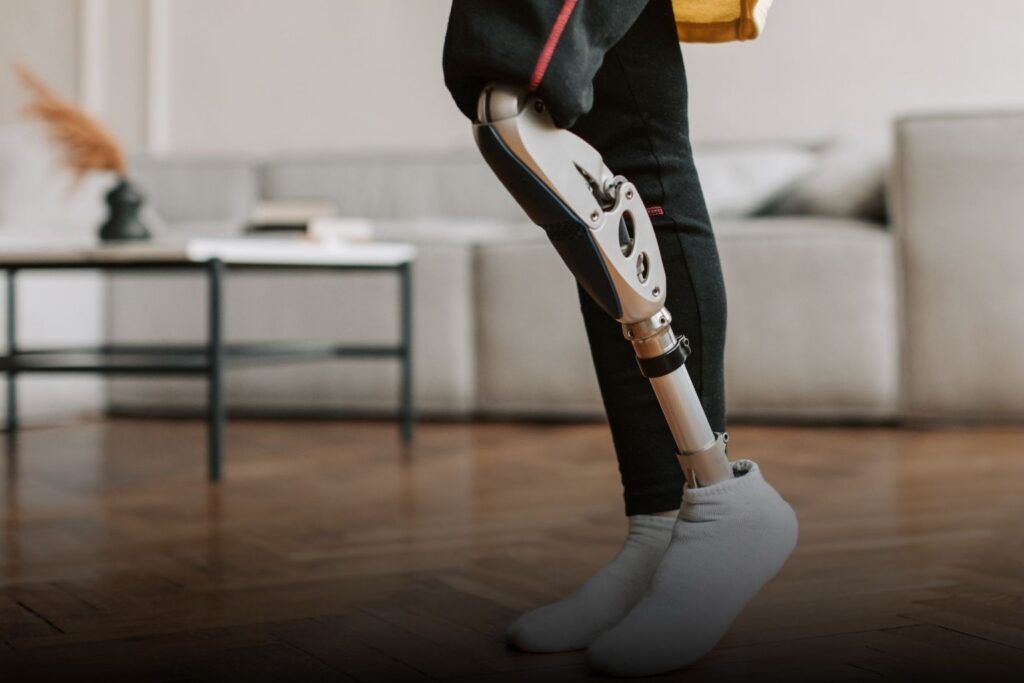
Some injuries change everything. Not just for the weeks of recovery that follow, but permanently. A spinal cord injury can redefine what independence means. A traumatic brain injury can alter your personality, memory, and ability to perform the work you spent years building a career around. Then there are severe burns, amputations, and injuries that require a lifetime of medical management and adaptive living that nobody planned or budgeted for. When a serious injury of this magnitude results from someone else’s negligence, whether on I-95 near Stuart, at a construction site in Port St. Lucie, or in a medical facility anywhere along the Treasure Coast, the legal questions that follow are significant. They’re questions about how you and your family will sustain a life that looks fundamentally different from the one you had before and who will be held responsible for making that possible. Florida law provides real legal options for holding people accountable and achieving financial stability. Understanding what those options are, how they work, and which ones apply to your situation is where meaningful recovery begins.
If you or a loved one has suffered a serious injury in Florida, The Rubin Firm is here to help. Call (772) 283-2004, fill out our contact form, or use live chat to speak with our team today.
Key Takeaways
- In Florida, serious and catastrophic injuries may support personal injury, product liability, premises liability, and workers’ compensation claims. In fatal cases, they may also support wrongful death claims.
- Florida’s serious injury threshold, which must be met to pursue non-economic damages against a negligent driver, is almost always met in cases involving catastrophic injuries.
- The lifetime costs of a catastrophic injury, including future medical care, lost earning capacity, and long-term support needs, must be fully calculated before considering any settlement.
- Depending on the circumstances, multiple parties may share liability for a serious injury, so identifying every liable party is essential to recovering compensation that reflects the true cost of the harm.
- A catastrophic injury lawyer can hire the medical, economic, and vocational experts needed to build a claim that accounts for the full scope of a serious injury.
What Makes an Injury Legally Catastrophic in Florida?
A catastrophic injury is one that causes permanent and life-altering harm to a victim’s physical function, cognitive ability, or independence. Florida law recognizes the distinct legal needs that these injuries create.
While the term “catastrophic injury” isn’t defined in a single statute in Florida, the concept is recognized across multiple areas of law in ways that reflect the unique severity and permanence of these injuries. To step outside of Florida’s no-fault PIP system and pursue a claim against a negligent party for non-economic damages, Florida Statute Section 627.737 requires that the injuries meet the serious injury threshold, which involves significant and permanent loss of an important bodily function; permanent injury with a reasonable degree of medical probability; significant and permanent scarring or disfigurement; or death.
In practice, injuries that clearly and unambiguously meet this threshold permanently alter the course of a person’s life. Examples include:
- Spinal cord injuries resulting in partial or complete paralysis.
- Traumatic brain injuries with lasting cognitive, behavioral, or physical consequences.
- Loss of a limb or severe burns covering significant portions of the body are also examples of catastrophic injuries.
- Severe orthopedic injuries that require multiple surgeries and leave permanent functional limitations also meet this threshold.
These injuries almost always satisfy the serious injury threshold, opening the door to the full range of legal options available under Florida law.
Personal Injury Claims for Catastrophic Injuries
A personal injury claim is the main way to hold the at-fault party financially accountable for a catastrophic injury and to recover all types of economic and non-economic damages caused by the injury.
When a serious injury results from another person’s negligence, filing a personal injury claim against the at-fault party is usually the best legal option. Once the serious injury threshold is met, this claim operates outside Florida’s no-fault PIP system and allows the injured person to pursue compensation directly from the at-fault party and their insurance carrier for the full extent of their losses.
The economic damages available in a catastrophic injury claim extend well beyond immediate medical bills. For example, future medical care for a spinal cord injury victim may include decades of rehabilitation, specialist visits, adaptive equipment, in-home care assistance, and facility costs spanning a lifetime. A traumatic brain injury may necessitate ongoing neurological treatment, cognitive therapy, and long-term supervision. Accurately calculating these future costs requires the expertise of economic and medical professionals who can project lifetime care needs and present them in a format that courts and juries can understand.
Lost earning capacity is another major economic component in catastrophic injury cases. For example, a forty-year-old who sustains a spinal cord injury and can no longer work in their prior occupation or earn their prior income has lost decades of future earnings. Vocational rehabilitation experts and economists collaborate to quantify this loss, reflecting the individual’s specific career trajectory, education, and earning history.
Non-economic damages in catastrophic injury cases, including pain and suffering, emotional distress, and loss of enjoyment of life, reflect harms that have no monetary equivalent, unlike medical bills. A person who can no longer walk, cannot care for their children independently, or wakes up every day managing chronic pain has experienced losses that financial documentation cannot capture, yet Florida courts recognize these losses as genuinely and seriously compensable.
Product Liability Claims
Under Florida product liability law, when a defective product causes or contributes to a serious injury, the manufacturer, distributor, or seller of that product may be held liable, regardless of any individual person’s negligence.
Not all catastrophic injuries result from another person’s careless driving or negligence. Some result from products that malfunctioned. For example, a defective vehicle component could cause a crash. A power tool that malfunctioned and caused an amputation. A pharmaceutical product whose side effects were known but not disclosed. Medical devices that malfunctioned after implantation. In each of these situations, Florida product liability law provides a way to seek compensation from entities in the product’s distribution chain, including manufacturers, distributors, and retailers.
In Florida, product liability claims can proceed under theories of design defect, manufacturing defect, or failure to warn. These claims don’t require proof of individual negligence. Instead, they require proof that the product was defective, that the defect caused the injury, and that the injured person was using the product in a reasonably foreseeable manner when the injury occurred.
For people with serious injuries resulting from product failure, identifying the defect and building the technical case requires engineering and medical experts as well as attorneys with experience in product liability litigation. A catastrophic injury lawyer who understands this framework can evaluate whether a product liability claim exists alongside or instead of a personal injury negligence claim and pursue both when the facts support it.
Premises Liability Claims
If you’re seriously injured on someone else’s property due to a dangerous condition that the property owner knew or should have known about, you may be able to file a premises liability claim against the property owner or operator to seek compensation.
Florida property owners and operators have a legal responsibility to ensure the safety of individuals who enter their premises, and the extent of this responsibility depends on the visitor’s status under Florida law. A premises liability claim may be possible if a dangerous condition on a property causes a catastrophic injury. Examples include a construction site hazard in Martin County, a defective structure at a commercial property in Stuart, or a pool accident at a private residence.
Cases involving catastrophic injuries frequently require an investigation into the property owner’s knowledge of the dangerous condition, the history of prior incidents at the same location, and the adequacy of the safety measures in place. A catastrophic injury lawyer can obtain property records, maintenance logs, inspection reports, and incident history to build the evidentiary foundation required for the claim.
Workers' Compensation and Third-Party Claims for Workplace Injuries
In the event of a catastrophic workplace injury, Florida’s workers’ compensation system offers a no-fault pathway to medical benefits and partial income replacement. However, a third-party personal injury claim may offer additional compensation beyond what workers’ compensation provides.
The system provides benefits to employees injured on the job, including medical treatment and a portion of lost wages, regardless of fault. For catastrophic workplace injuries, these benefits are critically important, yet they’re often insufficient to cover the full lifetime cost of a serious injury. Workers’ compensation does not compensate for pain and suffering or cover the full scope of lost earning capacity. Additionally, it doesn’t hold the responsible party financially accountable in the way a civil claim does.
If a workplace injury was caused or contributed to by a third party, a separate personal injury claim against that third party can be pursued alongside the workers’ compensation claim. Examples include a contractor whose negligence caused an injury on a shared job site or an equipment manufacturer whose defective product caused a workplace accident. An equipment manufacturer whose defective product caused a workplace accident, or a property owner whose dangerous conditions contributed to a worker’s injury are examples of third parties. In these situations, the injured worker may have both a workers’ compensation claim and a third-party personal injury claim. A catastrophic injury lawyer can pursue both claims simultaneously to maximize the total recovery available.
Wrongful Death Claims for Fatal Catastrophic Injuries
According to Florida law, when a serious injury results in death, surviving family members have the right to pursue a wrongful death claim for the losses they have sustained as a result of losing their loved one.
However, some catastrophic injuries don’t allow time for a legal claim to be filed before the victim passes away. According to Florida’s Wrongful Death Act (codified at Florida Statute Section 768.19), the personal representative of the deceased’s estate can bring a wrongful death claim on behalf of the surviving family members. Recoverable damages include medical and funeral expenses, lost support and services the deceased provided, lost income the deceased would have earned, and loss of companionship, guidance, and protection experienced by surviving family members.
Wrongful death claims involving catastrophic injuries that prove fatal are among the most serious and complex cases in Florida personal injury law. These cases require coordination between medical experts, economists, and legal professionals with experience in wrongful death litigation. They also have their own statute of limitations of two years from the date of death under Florida law.
Protect Your Rights After a Serious Injury in Florida. Contact The Rubin Firm Now!
A catastrophic injury changes more than just today. It alters the course of your life and your family’s life, necessitating a legal response commensurate with the magnitude of the event. The Rubin Firm represents seriously injured people and their families in Stuart, Palm City, Jensen Beach, Port St. Lucie, Fort Pierce, Vero Beach, and throughout the Treasure Coast.
We build cases that account for the full lifetime cost of catastrophic harm, and we fight for the compensation that responsible parties should provide. Call (772) 283-2004, fill out our contact form, or use live chat to speak with our team today.
Disclaimer: This blog post is intended for general informational and educational purposes only and does not constitute legal advice. Every case is different. You should not act or refrain from acting on the basis of this content without consulting a licensed attorney. Florida statutes referenced reflect the law as understood at the time of publication and are subject to change. The statute of limitations referenced may vary based on individual circumstances. Past results do not guarantee future outcomes. The hiring of a lawyer is an important decision that should not be based solely upon advertisements. Before you decide, ask us to send you free written information about our qualifications and experience. The Rubin Firm is located at 2055 South Kanner Highway, Stuart, FL 34994.
Frequently Asked Questions
How is the value of a catastrophic injury claim calculated?
It’s determined by the injury’s full lifetime cost, which includes past and future medical expenses, lost earning capacity, pain and suffering, emotional distress, and loss of enjoyment of life. Calculating future costs requires the testimony of medical, economic, and vocational experts who can support the full picture of damages. A catastrophic injury lawyer can hire and coordinate these experts on your behalf.
Can multiple legal claims be pursued simultaneously after a catastrophic injury?
Yes. In many cases, multiple legal theories apply simultaneously. For example, a workplace injury may support both a workers’ compensation claim and a third-party negligence claim. A product defect may support both a product liability claim and a negligence claim against the person operating the defective product. A catastrophic injury lawyer will evaluate all available theories and pursue every viable claim simultaneously.
What if the at-fault party’s insurance limits are insufficient to cover your losses?
Insufficient policy limits are a real and frequent challenge in serious injury cases. An attorney will investigate every available source of coverage, including umbrella policies, employer coverage in commercial vehicle cases, and multiple defendant policies in cases involving shared liability. In some cases, the personal assets of the at-fault party may also be accessible.
How long does it typically take to resolve a catastrophic injury case?
These cases are among the most complex in Florida personal injury law and usually take longer than standard injury claims to resolve. Reaching maximum medical improvement before calculating future damages, involving multiple expert witnesses, and the higher stakes that motivate insurance companies to contest these claims more aggressively all contribute to extended timelines. An attorney can provide a more accurate timeline based on the specific facts of your case.
Does The Rubin Firm handle catastrophic injury cases on contingency?
Yes. The Rubin Firm handles catastrophic injury cases on a contingency fee basis. There are no upfront legal fees, and we are compensated only if we secure compensation for you. The initial consultation is free and carries no obligation to proceed.