
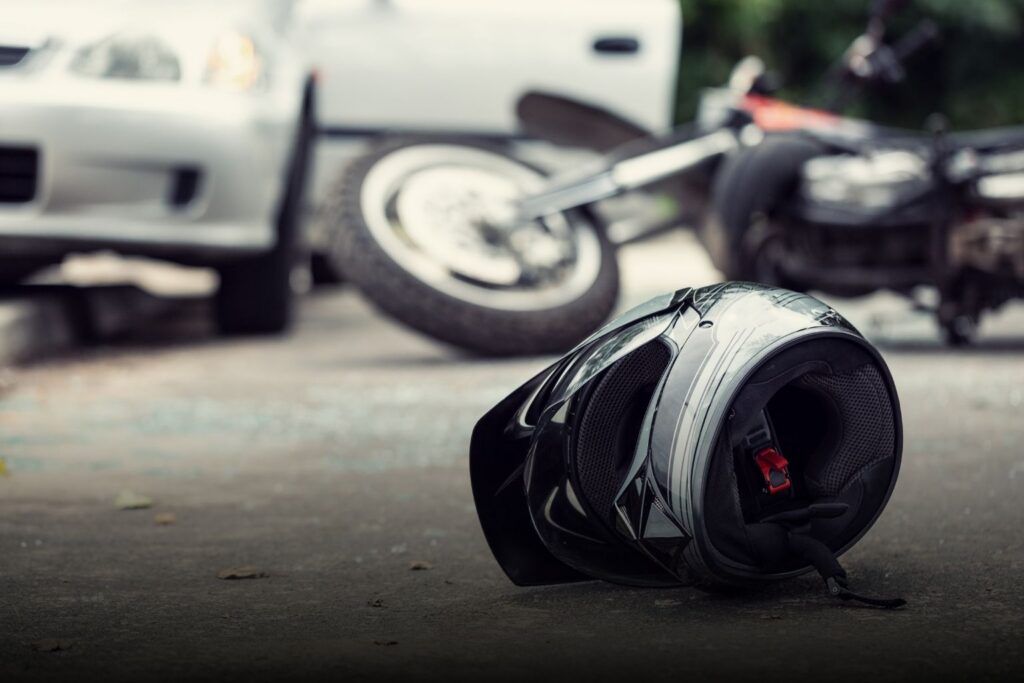
Every rider understands and accepts the particular vulnerability of riding a motorcycle as part of the experience. It’s the open road, the immediacy of the environment, and the absence of a steel cage between you and everything around you. This vulnerability isn’t recklessness, it’s a calculated relationship with risk that most riders manage responsibly for years without incident. However, when another driver’s carelessness shatters this balance, such as when a vehicle turns left across your path on US-1 near Jensen Beach, drifts into your lane on I-95 south of Stuart, or pulls out of a side street on Kanner Highway without seeing you, the consequences land on your body in ways that are unmatched in a standard vehicle crash. The resulting injuries, road rash, fractures, traumatic brain injuries, and spinal cord damage, are among the most serious documented in any category of personal injury law. The hours and days following a motorcycle crash in Florida determine not only the legal outcome of any subsequent claim, but also the practical trajectory of a rider’s recovery, financial stability, and ability to hold the responsible driver genuinely accountable.
The Rubin Firm is ready to help if you were injured in a motorcycle crash on the Treasure Coast or anywhere in Florida. Call (772) 283-2004, fill out our contact form, or use live chat to speak with our team today.
Key Takeaways
- Florida’s no-fault PIP system does not apply to motorcycles, which means injured riders pursue compensation directly through the at-fault driver’s liability insurance rather than their own PIP coverage.
- Motorcycle crash injuries are among the most severe in personal injury law, and the compensation available must reflect the full lifetime cost of those injuries rather than their immediate medical bills.
- Florida’s modified comparative fault system creates a specific risk for motorcycle riders because insurers routinely attempt to assign inflated fault percentages based on bias against motorcyclists rather than evidence.
- Evidence in motorcycle crash cases, including skid marks, electronic vehicle data from the other vehicle, and surveillance footage, deteriorates rapidly and must be preserved through immediate legal action.
- A motorcycle accident attorney can counter insurer bias, preserve critical evidence, and build a case that reflects what motorcycle crash injuries actually cost a rider and their family.
Understand Why Motorcycle Crash Claims Are Legally Distinct
In Florida, motorcycle crash claims involve a specific insurance framework, a documented pattern of insurer bias against riders, and injury profiles that require a different legal approach than standard vehicle crash claims.
The legal distinction between motorcycle crash claims and standard vehicle crash claims begins with the insurance framework. Florida’s no-fault Personal Injury Protection (PIP) system requires vehicle owners to carry coverage that pays for their own medical expenses and lost income, regardless of fault. However, this system doesn’t apply to motorcycles. According to Florida Statute Section 627.733, motorcycles are explicitly excluded from the mandatory PIP requirement. This exclusion has profound practical consequences for injured riders.
A rider injured in a crash caused by another driver cannot access PIP benefits from their own motorcycle insurance as a vehicle occupant can from their own PIP. The primary path to compensation for medical expenses for a seriously injured Florida motorcyclist runs directly through the at-fault driver’s bodily injury liability coverage. This makes the liability determination and the at-fault driver’s insurance limits central to the claim, unlike vehicle occupant injuries.
The bias issue is equally significant and practical. Insurance adjusters and defense teams approach motorcycle crash claims with assumptions about rider behavior, risk tolerance, and comparative fault that aren’t applied to vehicle drivers in equivalent situations. For example, a rider traveling at the speed limit may be evaluated as though their choice to ride constitutes an assumption of risk. A rider who was not wearing a helmet, which is not required for Florida riders over twenty-one, is sometimes treated as though that choice contributed to their injuries, even though the law does not support this idea. Understanding and countering these assumptions requires an attorney who has experience with motorcycle accident cases.
Step One: Prioritize Safety and Call 911
Following a motorcycle crash in Florida, your first steps should be to ensure your physical safety and call 911 immediately. This will protect you personally and lay the legal foundation for any subsequent claim.
A motorcycle crash poses an immediate safety risk beyond the initial impact. A downed rider on an active roadway is exposed to additional vehicle traffic. The first physical priority, when injuries allow, is moving to a safe position off the road. If injuries prevent movement, signaling for help and waiting for the emergency response team is the safest option.
Calling 911 ensures a response from both medical personnel and law enforcement. The police report generated by the responding officers is an official record capturing the time, location, parties involved, witness information, and initial conditions of the crash from an independent perspective. It’s one of the first documents a motorcycle accident attorney will request when evaluating a claim, and its contents, including any citations issued to the at-fault driver, carry significant weight in the subsequent liability analysis.
Don’t decline a medical assessment at the scene, even if you feel fine. Adrenaline and shock can suppress pain signaling, creating a deceptive sense of physical stability. Spinal cord injuries, internal bleeding, and traumatic brain injuries can all have delayed symptom onset in the period immediately following the crash. Accepting emergency medical evaluation at the scene and following up with a full diagnostic assessment at the hospital protects your health and the legal record of your injuries.
Step Two: Document the Scene Thoroughly
The evidence collected at the scene of the motorcycle crash, including photographs, witness information, and physical observations, is irreplaceable once the scene is cleared. This evidence is some of the most valuable documentation in the entire claim.
Motorcycle crash scenes contain physical evidence that reveals what happened with a level of detail that witness accounts alone cannot match. Skid marks document where braking began and at what angle. This information supports the analysis of accident reconstruction of the crash sequence. The final resting positions of the motorcycle and other vehicles indicate the point of impact and post-impact dynamics. Road surface conditions, visibility obstructions, traffic signal positions, and lane markings capture the environmental context in which the crash occurred.
Photograph everything before moving the vehicles. Photograph the motorcycle and other vehicle damage patterns, your gear and visible injuries, the road surface, and the surrounding environment, including any businesses or intersections with visible surveillance cameras. These timestamped photographs create a visual record that is often more persuasive than any written description.
Identify every witness at the scene and collect their names and contact information before they leave. Witnesses to motorcycle crashes are particularly valuable because they can speak to the other driver’s conduct, speed, and lane position in the moments before impact. They can provide an independent account that counters the at-fault driver’s narrative. Their recollections are most reliable and accessible immediately after the crash.
Note the other vehicle’s license plate number, make, model, and color; the driver’s identifying information; their insurance carrier and policy number; and any statements they made at the scene. Statements made by the at-fault driver immediately after a crash, including admissions about distraction, failure to see the motorcycle, or acknowledgment of fault, are admissible evidence that a motorcycle accident attorney can use when building a claim.
Step Three: Seek Comprehensive Medical Evaluation
A comprehensive medical evaluation following a motorcycle crash is essential for appropriate treatment and for building the medical record the claim depends on. This evaluation should include full diagnostic imaging and specialist assessment for head, neck, and spinal injuries.
Motorcycle riders sustain distinct injury patterns from vehicle occupants because of their unprotected exposure during impact. The initial point of contact, the trajectory of the rider’s body during the crash, and the surfaces the rider contacts during the fall all contribute to an injury profile that may affect multiple body systems simultaneously.
Road rash, or friction burns sustained when a rider contacts the road surface, can range from superficial abrasions to deep tissue damage requiring surgical debridement and skin grafting. The risk of infection associated with serious road rash in Florida’s warm and humid environment makes prompt and thorough wound management a medical priority. Orthopedic injuries, including fractures of the extremities, pelvis, and shoulder, are common and require imaging and specialist evaluation for proper assessment.
Head injuries require neurological evaluation, even when a helmet was worn, because helmets reduce, but do not eliminate, the risk of traumatic brain injury in high-impact crashes. Any rider who experiences confusion, a memory gap, or loss of consciousness during or after the crash should receive CT imaging and a neurological assessment, regardless of how they subsequently feel.
MRI imaging is required to assess disc and nerve root involvement in cervical and lumbar spine injuries, which plain X-rays may not capture. Spinal injuries that produce delayed neurological symptoms, such as numbness, tingling, or weakness in the extremities, may not be fully apparent at the time of the initial emergency evaluation. These injuries require follow-up assessment by a spine specialist.
All treatments, diagnostic results, and specialist consultations become part of the medical record supporting the damages calculation in your claim. Gaps in treatment, missed appointments, and incomplete referrals create vulnerabilities in the record that insurance adjusters consistently exploit. Completing the treatment plan prescribed by your physicians protects both your recovery and the integrity of your claim.
Step Four: Protect Yourself From Insurance Company Tactics
The at-fault driver’s insurance company will contact you quickly after a motorcycle crash because injured riders are most vulnerable to making statements and decisions that reduce the value of their claims during the post-crash window.
A specific pattern of insurance company behavior emerges in Florida motorcycle crash claims. This pattern reflects the severity of the injuries involved and the bias against riders that shapes how adjusters approach these cases. Knowing what to expect can protect you from the most common and costly mistakes.
An adjuster representing the at-fault driver may contact you within hours or days of the crash. This is before you have fully assessed your injuries, spoken with an attorney, or have any clear idea of what your claim is worth. They will sound helpful and concerned. They may offer a quick settlement that seems substantial given your immediate financial needs. However, that offer is almost certainly based on incomplete information about your injuries and is designed to resolve the claim before the full extent of your damages becomes clear.
Don’t provide a recorded statement to the at-fault driver’s insurer without legal representation. Motorcycle crash claims in Florida generate comparative fault arguments more frequently than claims in most other categories. The questions adjusters ask in recorded statements are designed to elicit information that supports assigning fault to the rider. Questions about how familiar you were with the road, whether you saw the other vehicle before impact, and what your speed was all serve the insurer rather than you.
Don’t accept any settlement offer without first consulting a motorcycle accident attorney, who can evaluate the offer against the full scope of your current and future damages. Signing a release eliminates all future claims related to the crash, regardless of how your injuries develop.
Step Five: Understand What Compensation May Be Available
Victims of motorcycle crashes in Florida who sustain serious injuries may pursue the full range of economic and non-economic damages from the at-fault driver and every other liable party. The severity of motorcycle injuries typically supports substantial compensation claims.
In motorcycle crash cases, economic damages encompass the complete financial cost of the injuries and their trajectory. Recoverable costs include emergency treatment, hospitalization, surgery, wound care, specialist consultations, physical and occupational therapy, assistive devices, and future medical care projected by treating physicians. For riders whose injuries permanently affect their ability to work, the analysis of economic damages extends well beyond the immediate recovery period to include lost earning capacity.
Damage to the motorcycle and riding gear destroyed in the crash are recoverable components of property damage. Motorcycles and protective riding gear are significant financial investments, so their replacement or repair cost should be included in the economic damages calculation.
Non-economic damages address personal harm that financial documentation can’t capture. These include pain and suffering due to injuries that affect daily function for months or years. They also address emotional distress and the psychological impact of a crash that changes a rider’s relationship with an activity they love. Riders whose injuries prevent them from returning to motorcycling or any other activity that previously defined their quality of life experience loss of enjoyment of life. These damages are calculated based on the documented impact of the injuries on the rider’s life. They’re also the category most aggressively contested by insurance carriers in motorcycle crash cases.
Punitive damages may be available if the at-fault driver’s conduct was particularly egregious. This includes driving under the influence, extreme speeding, or deliberately disregarding the safety of motorcycle riders sharing the road. These require specific procedural steps under Florida law.
Past results do not guarantee future outcomes.
Step Six: Contact a Motorcycle Accident Attorney Immediately
The single most effective step an injured rider can take to protect their evidence, counter insurer bias, and ensure their claim reflects the full cost of what happened is to contact a motorcycle accident attorney immediately after a crash.
Evidence that is most valuable to a motorcycle crash claim deteriorates rapidly. Surveillance footage from intersections and nearby businesses is overwritten within days or weeks. Electronic data from the at-fault vehicle, such as speed, braking, and steering inputs at the time of the crash, can be lost when the vehicle is repaired. Physical evidence at the crash scene can be altered or eliminated within hours.
If you hire a motorcycle accident attorney immediately after a crash, they can issue preservation demands to the at-fault driver’s insurer, arrange for an independent accident reconstruction before the evidence disappears, hire medical experts to evaluate your injury, and handle all communications with insurance carriers before you make any statements or consider any offers.
Florida’s statute of limitations for personal injury claims is generally two years from the crash date, following legislative changes effective March 2023. However, the practical window for building a strong motorcycle crash case is far shorter than this deadline suggests. Every day that passes without legal representation gives the other side the advantage.
We help you protect your rights after a Florida motorcycle crash. Call us now!
Riding a motorcycle doesn’t mean you’re responsible for other drivers’ inattention on the roads you share with them. If another driver’s carelessness causes an accident, you have the same right to full compensation as any other crash victim. In some respects, you have a stronger legal position because your injuries are clearly the result of someone else’s failure rather than your own. The Rubin Firm represents motorcycle crash victims in Stuart, Palm City, Jensen Beach, Hobe Sound, Port St. Lucie, Fort Pierce, and Vero Beach.
We counter insurer bias, preserve important evidence, and fight for compensation that reflects the true cost of a serious motorcycle injury to a rider and their family. Call (772) 283-2004, fill out our contact form, or use live chat to speak with our team today.
Disclaimer: This blog post is intended for general informational and educational purposes only and does not constitute legal advice. Every case is different. You should not act or refrain from acting on the basis of this content without consulting a licensed attorney. Florida statutes and legal standards referenced reflect the law as understood at the time of publication and are subject to change. The statute of limitations referenced may vary based on individual circumstances. Past results do not guarantee future outcomes. The hiring of a lawyer is an important decision that should not be based solely upon advertisements. Before you decide, ask us to send you free written information about our qualifications and experience. The Rubin Firm is located at 2055 South Kanner Highway, Stuart, FL 34994.
Frequently Asked Questions
Is motorcycle insurance required in Florida?
The state requires riders to carry at least $10,000 in property damage liability coverage. However, most riders aren’t required to carry bodily injury liability or personal injury protection (PIP) coverage because motorcycles are excluded from the no-fault system. Although uninsured motorist coverage isn’t required, it’s highly recommended given the risk of serious injury in motorcycle crashes and the prevalence of underinsured at-fault drivers on Florida roads.
Does helmet use affect a Florida motorcycle crash claim?
Florida doesn’t require riders over twenty-one to wear helmets if they have at least ten thousand dollars in medical benefits coverage. Insurance companies sometimes argue that a rider’s decision not to wear a helmet contributed to their head injuries. Florida courts have addressed this argument in the context of comparative fault. A motorcycle accident attorney can evaluate how helmet use or nonuse affects the damages available in your specific claim.
What if the at-fault driver claims they did not see you?
Failure to see a motorcycle isn’t a defense to negligence. Florida drivers have a legal duty to observe the road around them and take account of all foreseeable users, including motorcyclists. A driver who fails to see a motorcycle before turning, changing lanes, or entering a roadway breaches that duty, regardless of whether the failure was intentional. An attorney can compile a record of visual and physical evidence that demonstrates what the driver should have seen and when.
What if I was riding on an unfamiliar road?
A rider’s familiarity with a road does not affect fault in a crash caused by another driver’s negligence. An unfamiliar road is not grounds for assigning comparative fault to a rider who is operating their motorcycle lawfully and within the applicable speed limit. Although insurance adjusters may argue that a rider’s unfamiliarity with the road is grounds for assigning fault, a motorcycle accident attorney knows how to counter this argument with evidence that accurately reflects the at-fault driver’s conduct.